One Of America’s Biggest Police Forces Just Declined To Renew Its Flock Camera Deal
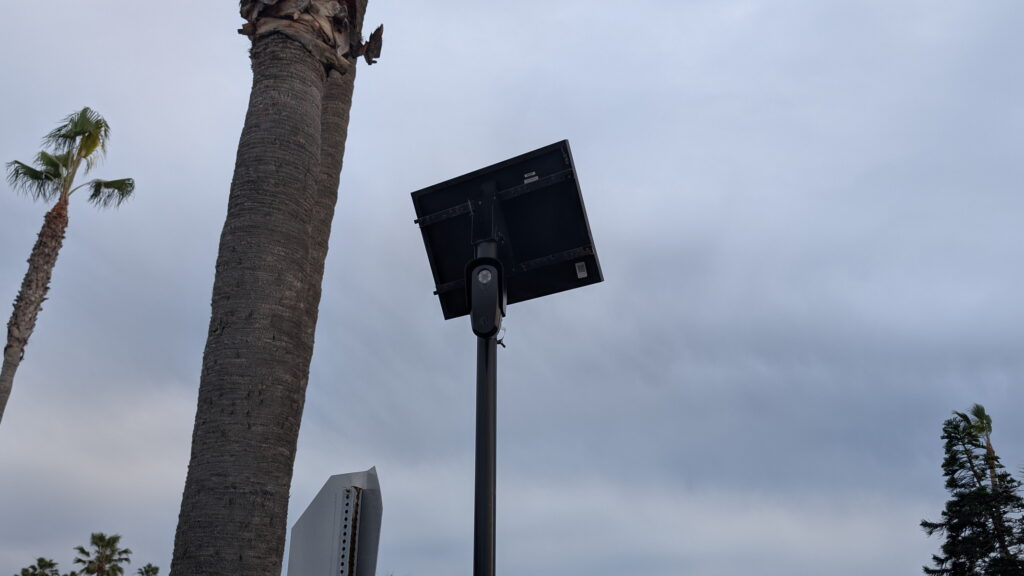
- LAPD allowed its three-year agreement with Flock Safety to expire rather than renewing it.
- Officials cited unresolved concerns over privacy, civil liberties, data sharing, and security.
- The technology has also faced criticism over misuse, false alerts, and operational challenges.
Automatic license plate reading (ALPR) cameras are in the news across the nation. Now, one of the largest police departments in the country has just allowed its contract with Flock Safety, a leader in the ALPR space, to lapse. While the two sides will likely still come together over a new deal, the LAPD just openly admitted that it’s concerned about privacy and data related to Flock’s network. And the police aren’t alone.
More: Why More Cities Are Suddenly Pulling The Plug On Flock Safety Cameras
Flock Safety’s network of cameras captures images of passing vehicles and their license plates, allowing authorized users to search for vehicles connected to active criminal investigations. According to the LAPD, the system isn’t used for immigration enforcement, and officers must have an active case and appropriate training before accessing the database.
Why LAPD Walked Away
However, department officials said concerns surrounding civil liberties ultimately outweighed the benefits of simply renewing the existing agreement. “This contract is not being renewed because of serious concerns around civil liberties and civil rights issues, particularly around privacy and the data that is being collected from these cameras,” LAPD Chief Information Officer Dean Gialamas said to ABC 7.
The decision doesn’t necessarily mean Flock cameras will disappear from Los Angeles overnight. Many of the cameras are owned by neighborhood associations, businesses, and other organizations rather than the city itself. LAPD says it’s continuing discussions with Flock in hopes of negotiating a revised agreement with stronger language covering privacy, security, data retention, and information sharing.
Those concerns aren’t purely theoretical, either. Flock’s technology has repeatedly found itself at the center of debates over privacy and oversight. Across the country, authorized users have been accused of improperly accessing license plate databases. Security researchers and privacy advocates have raised concerns about how agencies manage access to large repositories of vehicle location data. The company has also faced criticism after false alerts led to innocent motorists being stopped by police.
Also: AI Cameras Fined Empty Seats For Not Wearing Seatbelts
Even agencies that continue using the technology have discovered that more data isn’t always more useful. Last year, the Oakland Police Department acknowledged it had disabled automatic alerts for stolen vehicles because the volume of notifications had become so overwhelming that officers simply couldn’t respond to them all, reducing the alerts’ practical value.
Flock’s Response
For its part, Flock Safety said it remains committed to working with LAPD. “Flock’s position has been simple: if this technology is going to be used, it should be used with strong privacy protections, strict auditability, and clear oversight,” the company said in a statement. “While this latest development comes as a surprise, we remain committed to continuing our active and ongoing conversations with LAPD to find a path forward.”
At this point, it appears as though the two will eventually come to an agreement, and the cameras will all go back online. Of course, local citizens organizing to combat the cameras could prove powerful in the debate as well.
Lead Image: Stephen Rivers for Carscoops
The Auto World


Comments
Post a Comment