Subaru’s 2028 Plan To Build Its Own EVs Without Toyota Just Got Pushed Back By America
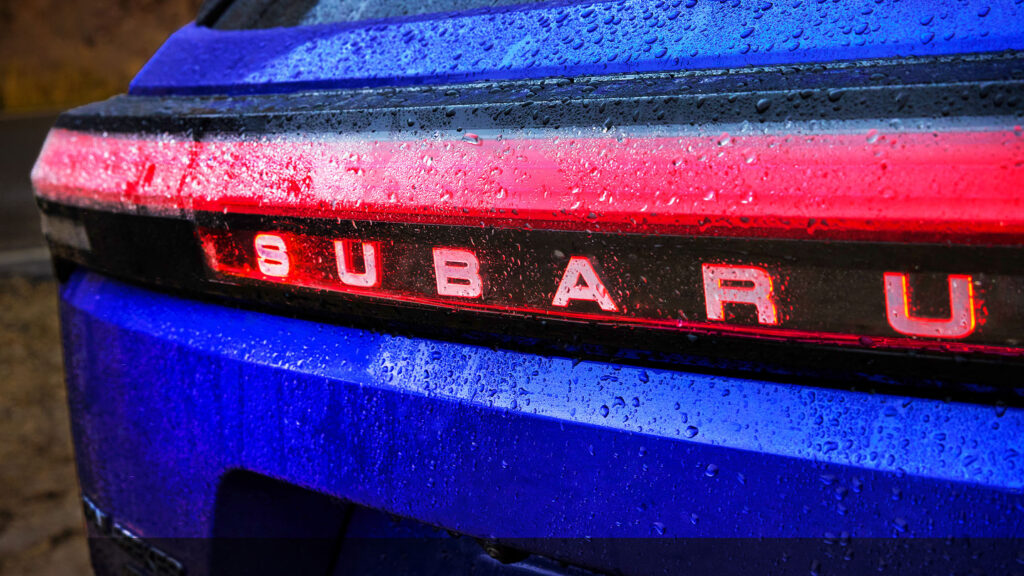
- Subaru is delaying its first real in-house EVs as American demand cools.
- Up to four self-developed electric models have lost their 2028 launch window.
- A new Oizumi plant built for EVs will open, building gas and hybrids instead.
Subaru’s electric future just got a lot less electric. The Japanese brand has confirmed it’s delaying the launch of its next wave of in-house EVs after demand for battery-powered vehicles cooled sharply in the US, its biggest market.
The automaker had planned to roll out up to four independently developed electric vehicles and build them at a new factory in Japan in 2028. Now, the Oizumi plant will start life producing gasoline and hybrid models instead, with EV production pushed further down the road.
More: Subaru Keeps Trademarking ACX STI, And The Coupe Rumors Keep Getting Louder
Subaru hasn’t said exactly when those delayed EVs might finally arrive. According to comments made by Subaru CEO Atsushi Osaki and reported by industry media, the company wants to keep watching market conditions before locking in new launch timing.
“In the US, our key market, the pace of BEV adoption has slowed due in part to the easing of environmental policies,” Osaki admitted in comments published by Automotive News.
“Given this, the timing of our BEV market introduction will be pushed back. We want to begin a comprehensive reevaluation of the entire strategy, including which models to bring to market.”
That’s a major shift for a company that previously aimed for EVs to account for half its global sales by 2030. Subaru’s planned battery factory project with Panasonic could also face delays as the company reassesses how much money it really wants to pour into EV development.
Current EVs Are Selling, But There’s An Asterisk
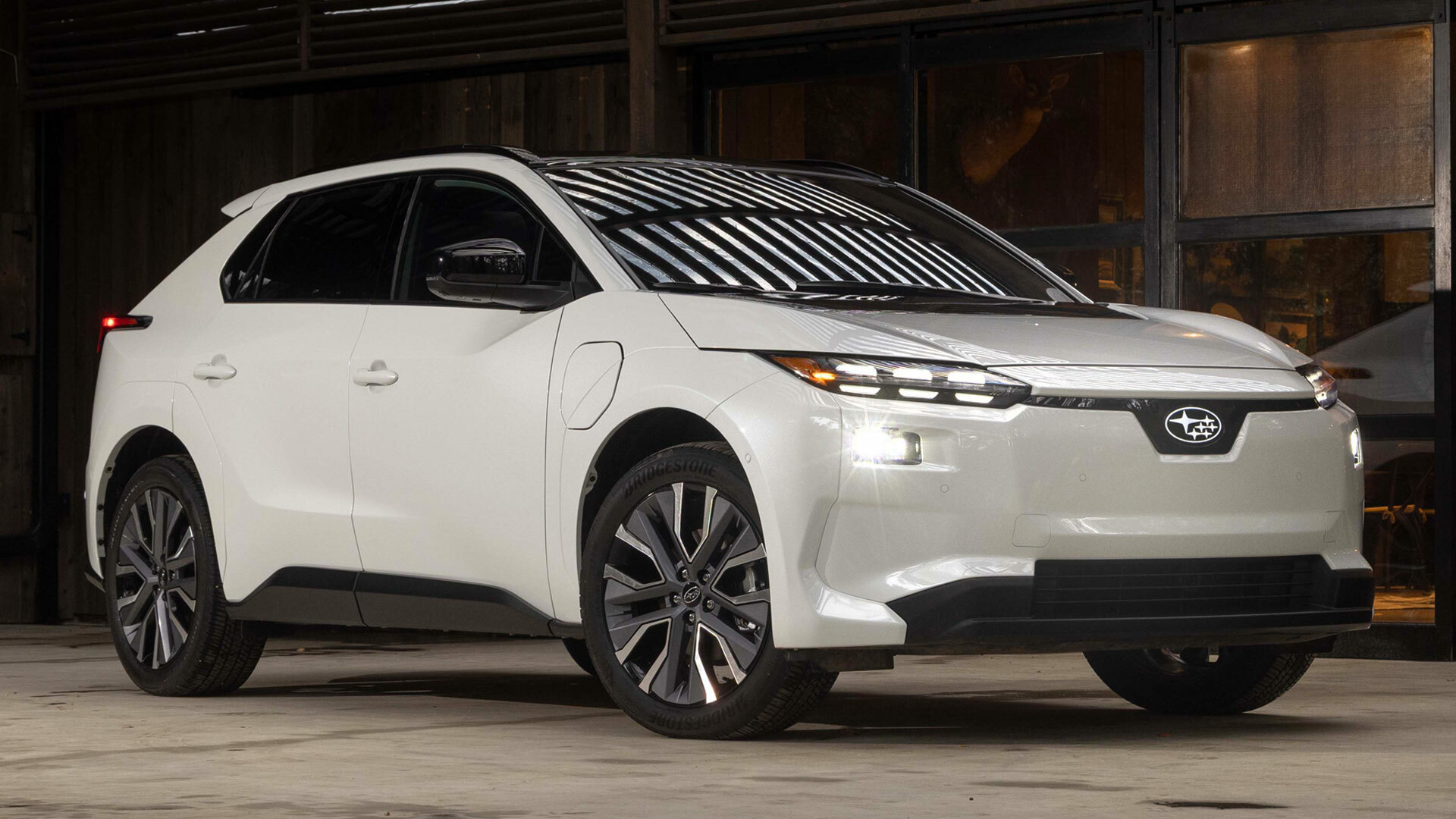
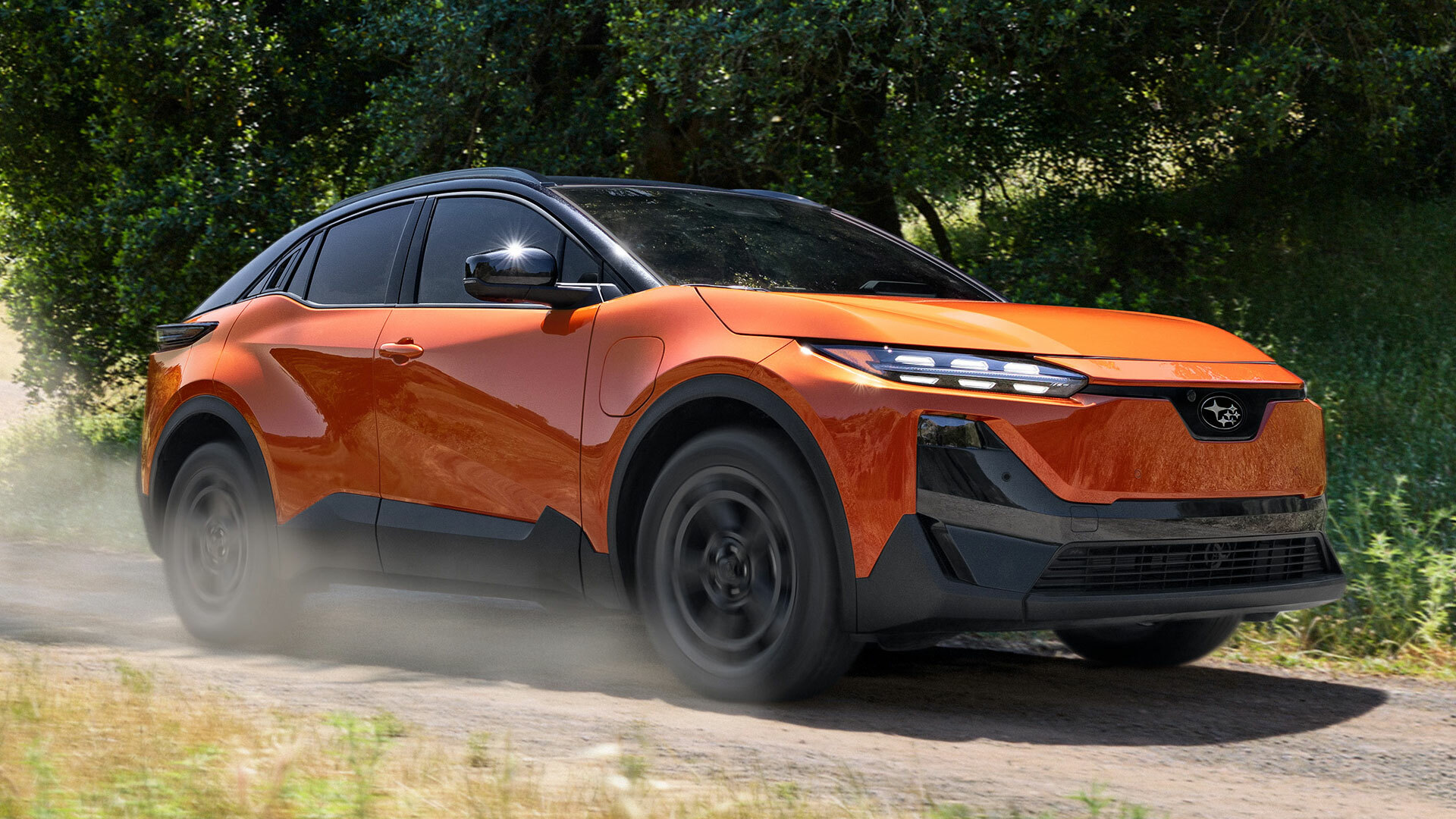
For now, Subaru’s electric lineup still relies heavily on its tie-up with Toyota. The MY26 Solterra (above) shares its bones with Toyota’s bZ, while newer models like the Uncharted (below) and Trailseeker were also developed through the partnership.
Ironically, Subaru’s EV sales aren’t exactly collapsing in the US, despite America getting the blame for this latest U-turn. Registrations for the Solterra climbed in North America earlier this year. The bigger issue seems to be profitability. Subaru’s been relying on hefty incentives to move EV inventory, something the brand usually avoids.
At the same time, weakening EV demand and changing US policies have many automakers rethinking aggressive electrification plans. Subaru now joins a growing list of brands, including Honda, GM, and Stellantis, that are dialing back ambitious EV schedules in favor of hybrids and combustion-powered models buyers actually want to purchase.
Subaru
The Auto World


Comments
Post a Comment