California Cops Caught A Tiny Chinese EV Committing Its First Grown-Up Offense
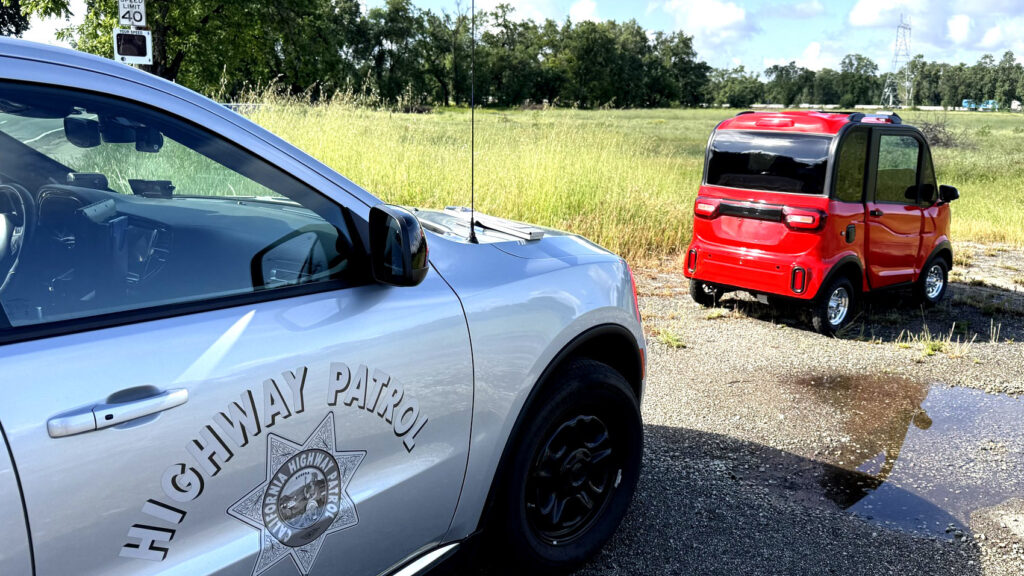
- A tiny Chinese-made electric vehicle just got an unwanted CHP welcome.
- The stop began because the mini EV was holding up traffic in Redding.
- California permits mini EVs on some roads, though traffic laws still apply.
Low-speed vehicles (LSV) exist in a funny space legally speaking in America. Most of them are golf carts, and they’re allowed on some public roads, but there’s a new subset gaining popularity. That group is full of small Chinese-made EVs that look like the middle ground between a Fisher-Price toy and an actual car. They gather a lot of attention, and one in California just did so for all the wrong reasons.
According to CHP Redding, the stop started because the tiny vehicle was traveling too slowly and backing up traffic. That’s not all that shocking, given that most LSVs have a max speed of around 25 mph (40 kmh). What police probably didn’t expect to find was a driver behind the wheel who wasn’t legally allowed to be there. During the stop, officers discovered the driver was allegedly operating the vehicle with a suspended license.
Read: Tiny Daewoo Matiz With V6 Engine Swap Proves Horsepower Can Make Any Car Ridiculous
That revelation turned a quirky roadside encounter into a reminder that California’s strangest street-legal vehicles are still governed by very normal rules. California classifies low-speed vehicles as four-wheeled motor vehicles capable of traveling between 20 and 25 mph (32-40 km/h) with a gross vehicle weight rating under 3,000 pounds (1,361 kg).
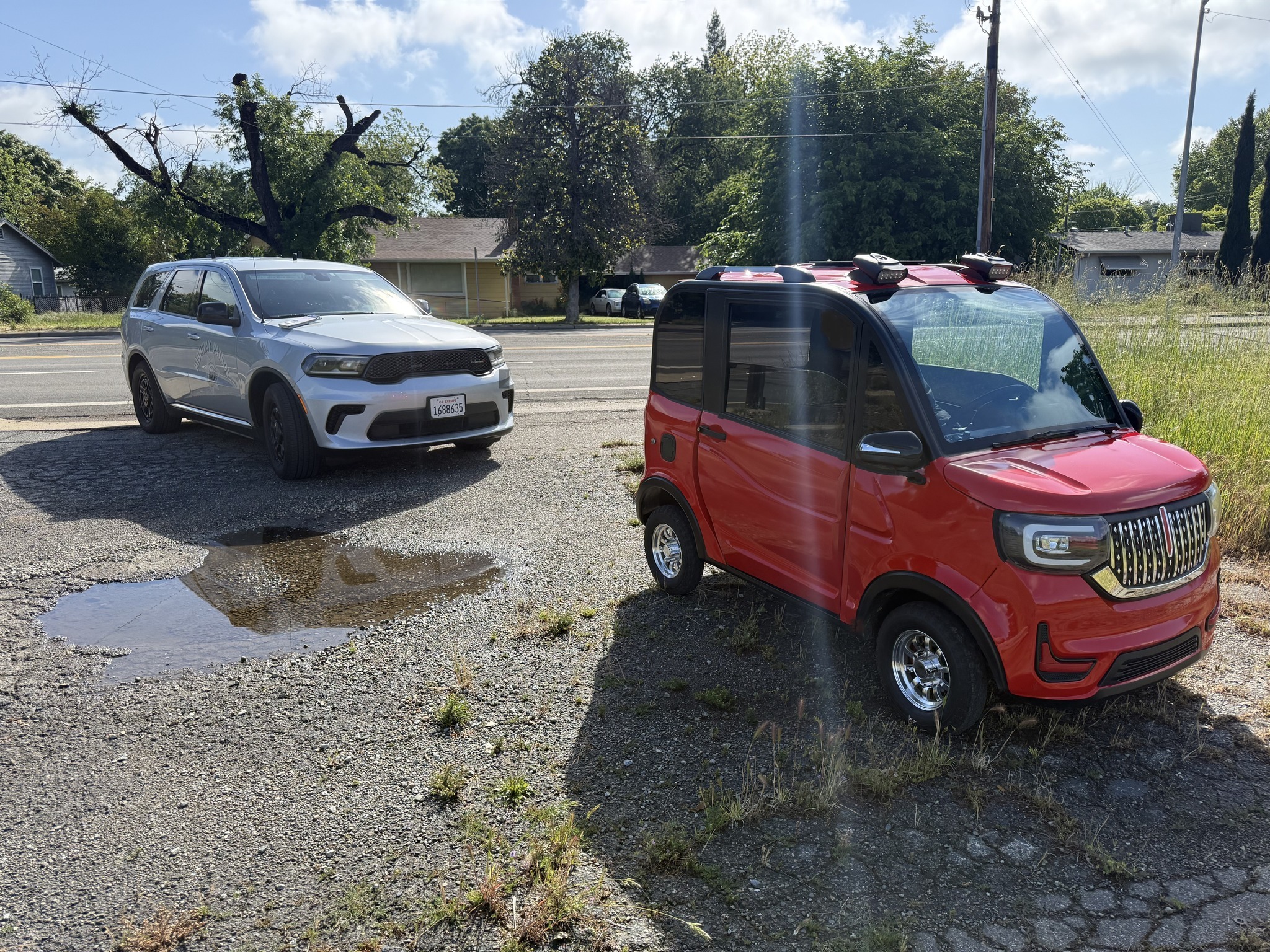
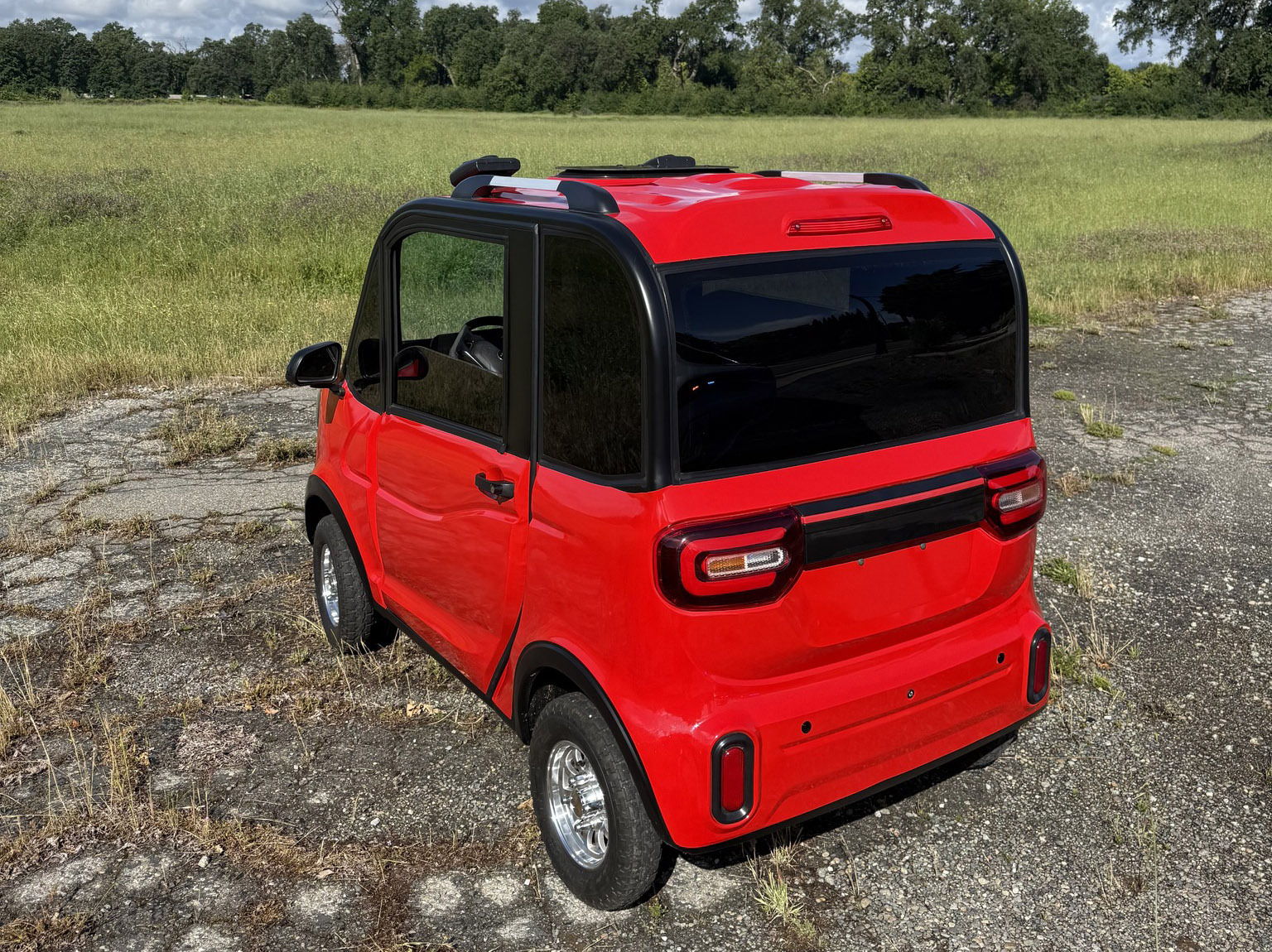
Despite their cartoonish proportions and looks, they’re fully legal to operate on certain public roads if they meet state and federal equipment standards.
Of course, that means having things like headlights, taillights, brake lights, mirrors, turn signals, seat belts, windshield wipers, a parking brake, and even a backup camera. Drivers also need a valid license, registration, and insurance, just as they would with a normal passenger car.
Even if the driver of this LSV had a valid license, there’s another wrinkle in the law. They’re not lawfully allowed on roads with speed limits above 35 mph (56 kmh). In essence, they’re made for dense urban areas, retirement communities, beach towns, or short neighborhood errands. Put one on a road where drivers in real cars are going 40 mph or faster, and they turn into a traffic impediment and a safety concern quickly.
Credit: CHP
The Auto World


Comments
Post a Comment