A 2003 Land Rover Defender 90 Makes 120 HP And Somehow Made Me Want To Keep The Keys
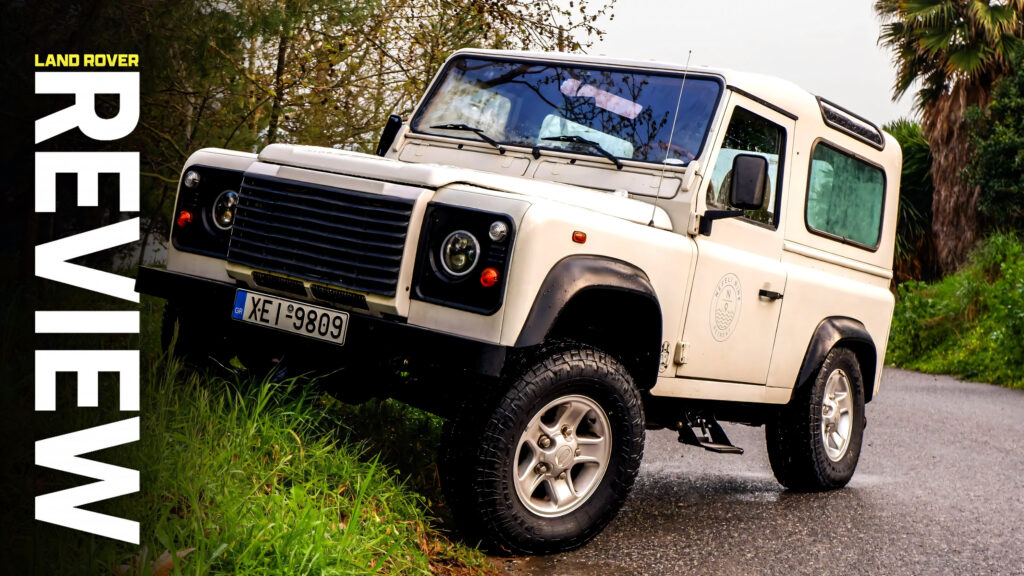
Most people corner me about which new hybrid SUV to buy. My friend Steph is not most people. She is happily stuck with an icon from another era, the classic Land Rover Defender 90, her vehicle of choice for more than a decade.
Over the years, the Defender has raked up miles being driven everywhere from the potholed streets of Athens to endless highways, rocky mountains and remote beaches. Her passion for this boxy thing made me really curious to drive it. Luckily she was kind enough to hand over the keys so I could experience the “Defender magic” first-hand. But let’s start with the basics.
A Long-Serving Nameplate
The Defender carries one of the longest stories in motoring, traceable to the 1948 Land Rover Series I. The nameplate gathered significant upgrades across a 33 year production run that ended in 2016, before the unrelated second-generation model arrived in 2019. The original never lost its utilitarian DNA, which is why it still has the following it does.
QUICK FACTS
Steph’s vehicle is a 2003 Defender Td5, fitted with Land Rover’s five-cylinder 2.5-liter turbodiesel engine that debuted in 1998. It has an odometer reading of 190,500 km (120,800 miles), but it has been regularly serviced throughout its life.
Review: The 2026 Land Rover Defender 130 V8 Is Everything You Want Until You Drive It
While it not as refined as her previous right-hand-drive 2013 Defender “Puma” with the Ford-sourced 2.2-liter turbodiesel and the modern dashboard borrowed from the Discovery, the old dog is significantly more usable thanks to the position of the steering wheel.
The exterior remains largely stock, save for the aftermarket LED headlights, the folding side steps, the heavy-duty tow bar, and the assortment of stickers that tell the story of the owners’ active life. The iconic five-spoke 16-inch alloy wheels are shod in a fresh set of all-terrain tires with ultra-thick side walls.
More: They Spent Nearly $400,000 On A Classic Defender, And Didn’t Even Swap The Engine
Inside, custom tan leather covers most surfaces and lifts the cabin above standard fare. The unconventional layout is the short-wheelbase arrangement, two seats up front and two side-mounted benches in the rear, with plenty of room for luggage between them. This was the Defender 90 hallmark until 2007, when safety regulations forced Land Rover to drop it.
Steph is precisely the customer this car was built for. She founded the Nefeli Nine retreats, ranks among the most active people I know, and uses the Defender to reach the corners of Greece that other SUVs avoid, hauling kit and supplies into hiking country.
Let’s Drive
When I first stepped into the cabin and turned the key, I was greeted by the raw, industrial clatter of the 2.5-liter five-cylinder turbodiesel. The first few minutes were a shock to the system, as the Defender feels closer to agricultural machinery than an civilized SUV.
More: Classic Land Rover Packs 700 Hp And A Manual Gearbox Just To Show Up The Defender
The steering is vague, and the five-speed manual gearbox has a mechanical throw that reminds you exactly how many decades ago this platform was engineered. The engine is vocal and feels underpowered at low revs but it picks up nicely once you hit the mid-range.
I already knew that handling is not one of the Defender’s strong points. The body tilts heavily on corners, the kind that would make an unsuspecting passenger reach for the handle. The ride lacks the refinement of a modern vehicle but the soft suspension makes it quite comfy. Still, after a few miles on city roads I still wondered why one would choose this as a daily driver.
Changing My Mind
As I was getting acquainted with the vehicle’s manners, I found myself driving on a countryside road right next to the beach. The ground was still wet from the earlier rain but the Defender gave me the confidence to take it off the beaten track. Jumping on gravel felt natural as the ladder-frame chassis settled into its element.
More: Land Rover’s Wildest Defender Yet Packs “Flight Mode” For Desert Jumps
The classic off-roader feels virtually unstoppable thanks to the old-school 4WD system and the thick all-terrain rubber. Furthermore, the generous ground clearance and the almost non-existent overhangs allow it to climb anywhere you want without worrying about scraping its belly.
Half an hour later I was still driving back and forth on gravel, sand, and tarmac, trying to find the right spots for the photoshoot. That’s when I realized I had started enjoying my time behind the wheel, feeling like a kid in rain boots jumping in puddles.
Upon my return I was surprised at how easy it is to park a Defender 90. The visibility is so good it feels like you have a bird’s-eye view camera. Despite its considerable width and height, the short wheelbase and tiny overhangs make it surprisingly maneuverable even in the tightest spots.
Verdict
As I was driving the classic Land Rover with the sunset on my rearview mirror, the beach on one side and mountains ahead, I understood why my friend Steph loves it so much. The thing is raw, mechanical, and loud, and it has the one quality most modern SUVs lack. Character.
More: He Bought 240 Classic Land Rover Defenders And Turned Them Into A Goldmine
Its analogue soul is the finest digital detox going, in a world built around touchscreens, electrification, and driving aids. At the same time, it’s adventurous spirit is the kind that gets you off your couch for a road trip in nature, where you can truly appreciate its exceptional off-road abilities.
You may start the day hating its agricultural manners, and end it inventing reasons not to give the keys back.
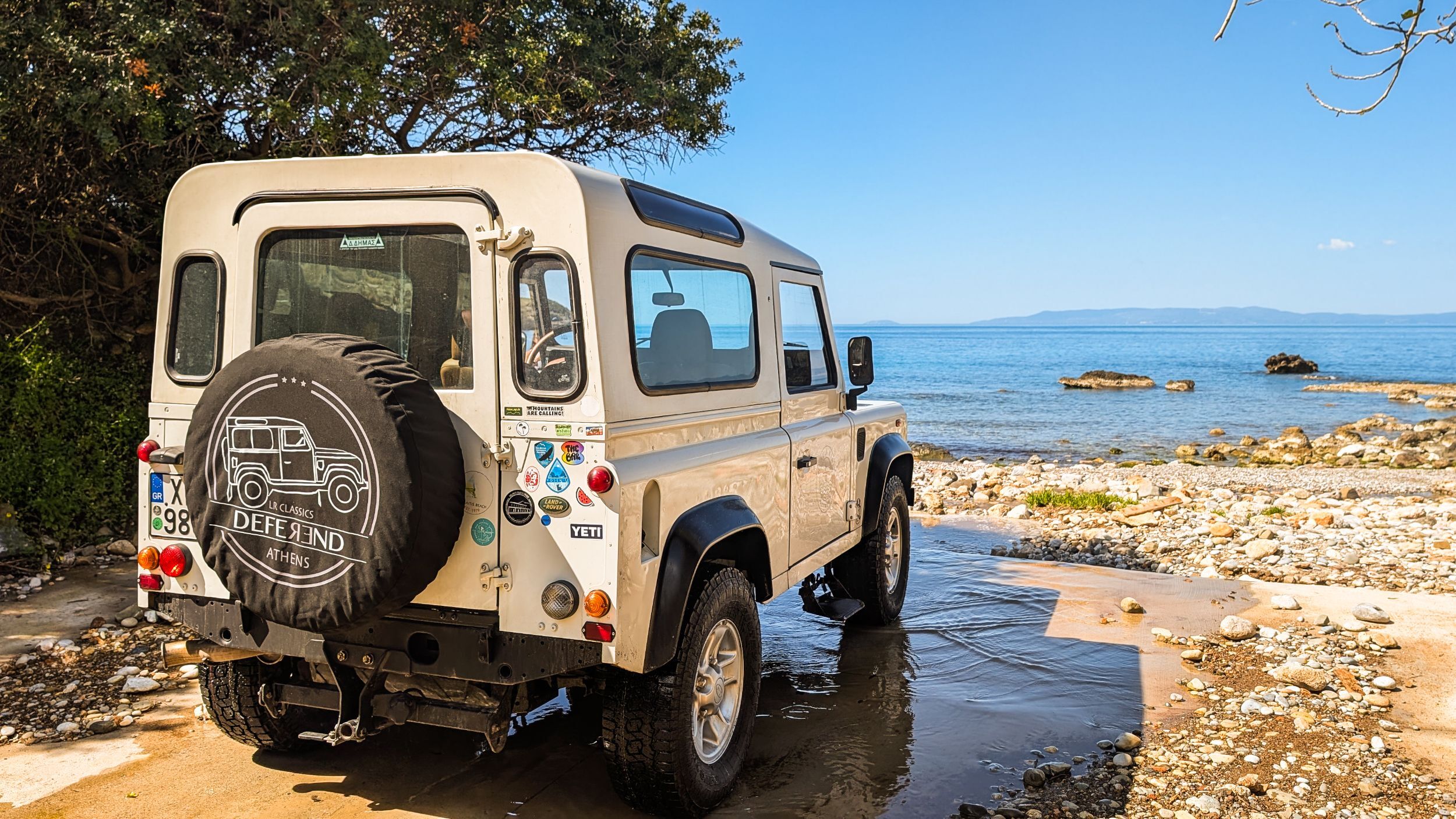
Many thanks to Steph for tossing me the keys to her 2003 Land Rover Defender Td5.
Photos/Videos: Thanos Pappas for CarScoops
The Auto World


Comments
Post a Comment