2.6 Tons Of Defender Trophy Crossed A Log Bridge We Built Ourselves
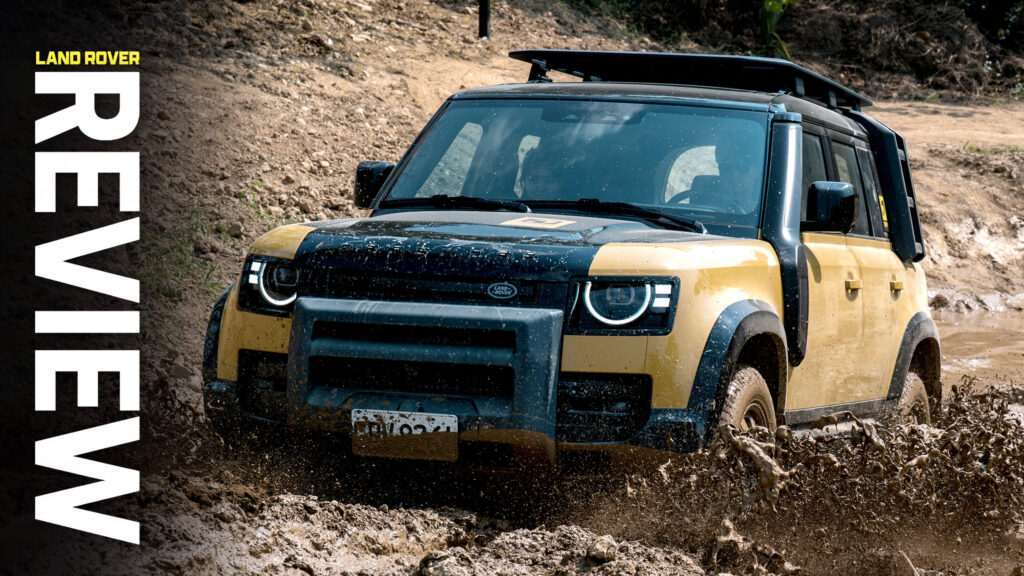
Win on Sunday, Sell on Monday. That was an age-old marketing phrase that has seemingly formed the backbone of motorsport around the world. Because no matter how much the idealistic blurbs like to romanticize the idea of manufacturers spending endless amounts of cash, all in an attempt to best your competition purely for the love of racing, the truth of the matter is that no fiscally responsible entity would greenlight a project without sound marketing backing.
But traditional, wheel-to-wheel racing isn’t the only way to demonstrate a vehicle is as good as they say it is. Sure, the glitz and glamour of the track are hard to ignore. And in a digital age, there are myriad ways to generate buzz around any project. But things weren’t so simple before the Internet. And, if you’re Land Rover, a brand built on the idea of go-anywhere capability, there are physical limitations to what you can actually enter in motorsports.
Review: The 2026 Land Rover Defender 130 V8 Is Everything You Want Until You Drive It
Of course, rallies exist, and so does the modern interpretation of the Dakar. But back in the 90s, the British 4×4 manufacturer decided to go one step further. With speed a decidedly academic metric for selling their SUVs, they created the ultimate test of endurance. They created The Camel Trophy.
The Original Camel Trophy
Launched in 1980, the Camel Trophy wasn’t a race in the traditional sense. Instead, it was a grueling expedition-style challenge in which teams from different countries navigated extreme terrain, jungles, swamps, deserts, and mountains, often in places with little to no infrastructure.
The focus wasn’t on outright speed but on teamwork, navigation, vehicle recovery skills, and endurance. Competitors would spend days and weeks battling mud, river crossings, and mechanical breakdowns. The locations that set the backdrop to these arduous challenges were just as impressive as the cars themselves. We’re talking about the Amazon Rainforest, Borneo, Siberia, and Papua New Guinea, to name but a few.
The series has since left an indelible mark on wider automotive culture, with the signature, slightly muted but endearingly iconic Sandglow Yellow livery applied to Series IIIs, Defenders, and Discoveries by enthusiasts paying tribute to the legacy.
A New Era, A New Trophy
I’d argue that since “Land Rover” as an overarching brand was left behind, in favor of the somewhat confusing JLR “House of Brands” strategy (in which former model names become breakout brands themselves, such as Defender, Discovery, Range Rover, etc), they’ve perhaps lagged behind in their competitive messaging. Jaguar, even in its semi-comatose/pre-launch state, has managed to keep the name’s intrigue alive thanks to its Formula E program, but aside from that, things have been quiet. That is, until now. In 2026, they returned to Dakar and won the stock class on debut.
Read: You Could Own A Land Rover Defender From The 1998 Camel Trophy
But more importantly for us, they’ve brought back the Defender Trophy, rebranded with modern sensibilities surrounding tobacco advertising, but promising to recultivate the spirit of teamwork and endurance for an all-new era. Oh, and they invited us to taste what the event was all about, not just to stand on the sidelines, but to actually do a dry run of (some of) the real-life Amazing Race-style challenges that were laid out for competitors vying for a place in the World Finals.
A Commemorative Edition
Remember when I said that there always has to be a marketing justification? Well, sometimes that’s a good thing. To tie in with the series, Defender has made a new special edition celebrating the return of the Trophy. Granted, it’s more of a visual package, with the standout feature being the return of Deep Dayglow Yellow to the color palette. You also get Keswick green, with both shades exclusive to the Trophy Edition.
However, look past the added interior trim, contrasting black bonnet, and steel-style (they’re actually alloys masquerading as steelies) wheels, and there are some genuinely useful additions for those who want to actually tackle the rough stuff. That includes all-terrain tires with a full-size spare, chunky mudflaps, extra scuff plates, and a very useful snorkel.
As far as special editions go, this one ticks all the right boxes for most folk, but I suspect that it won’t be enough for some who’d want either some heavier-duty hardware, or perhaps some improved firepower from under the hood, to be a part of the package.
The Trophy Experience
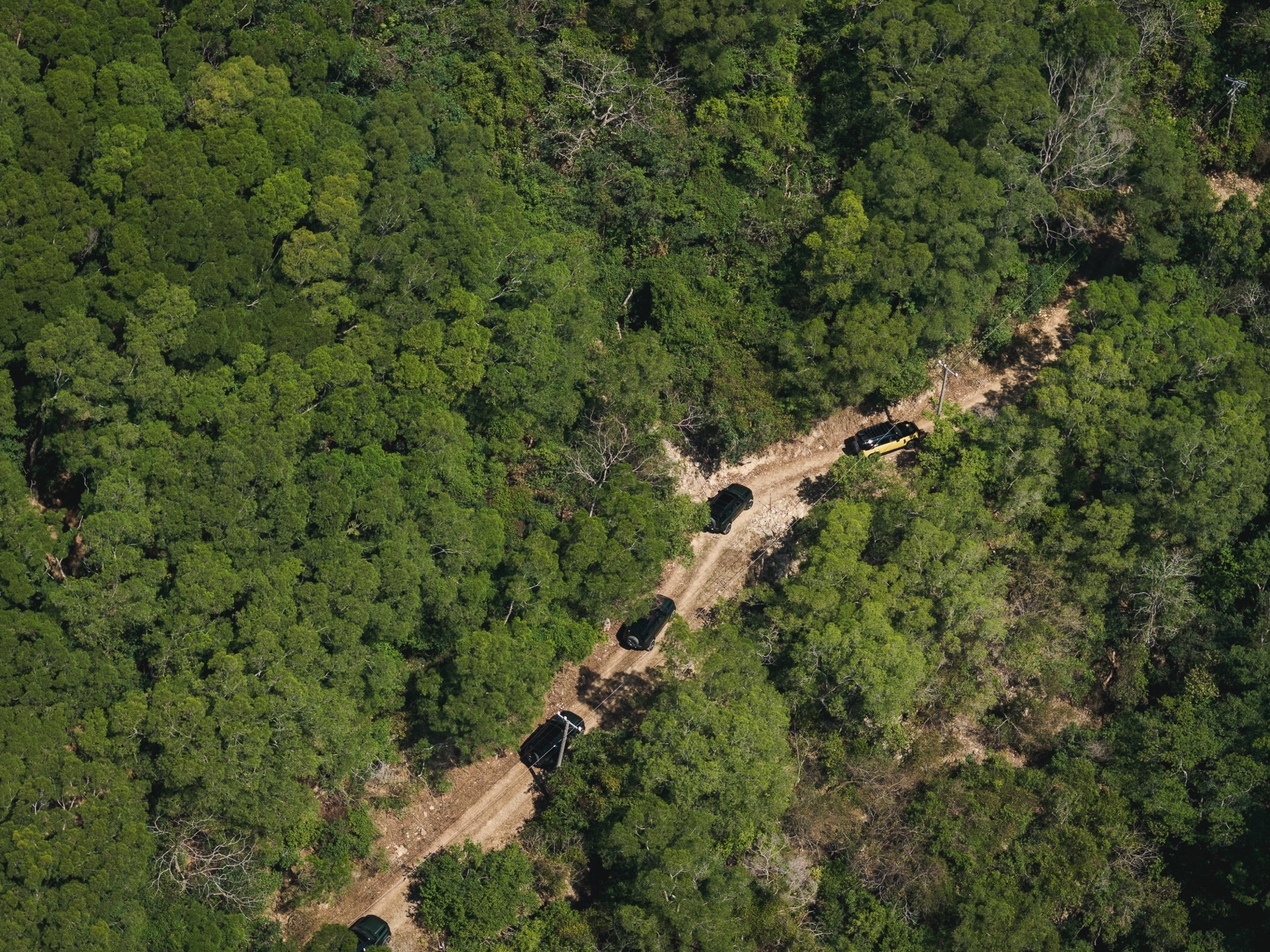
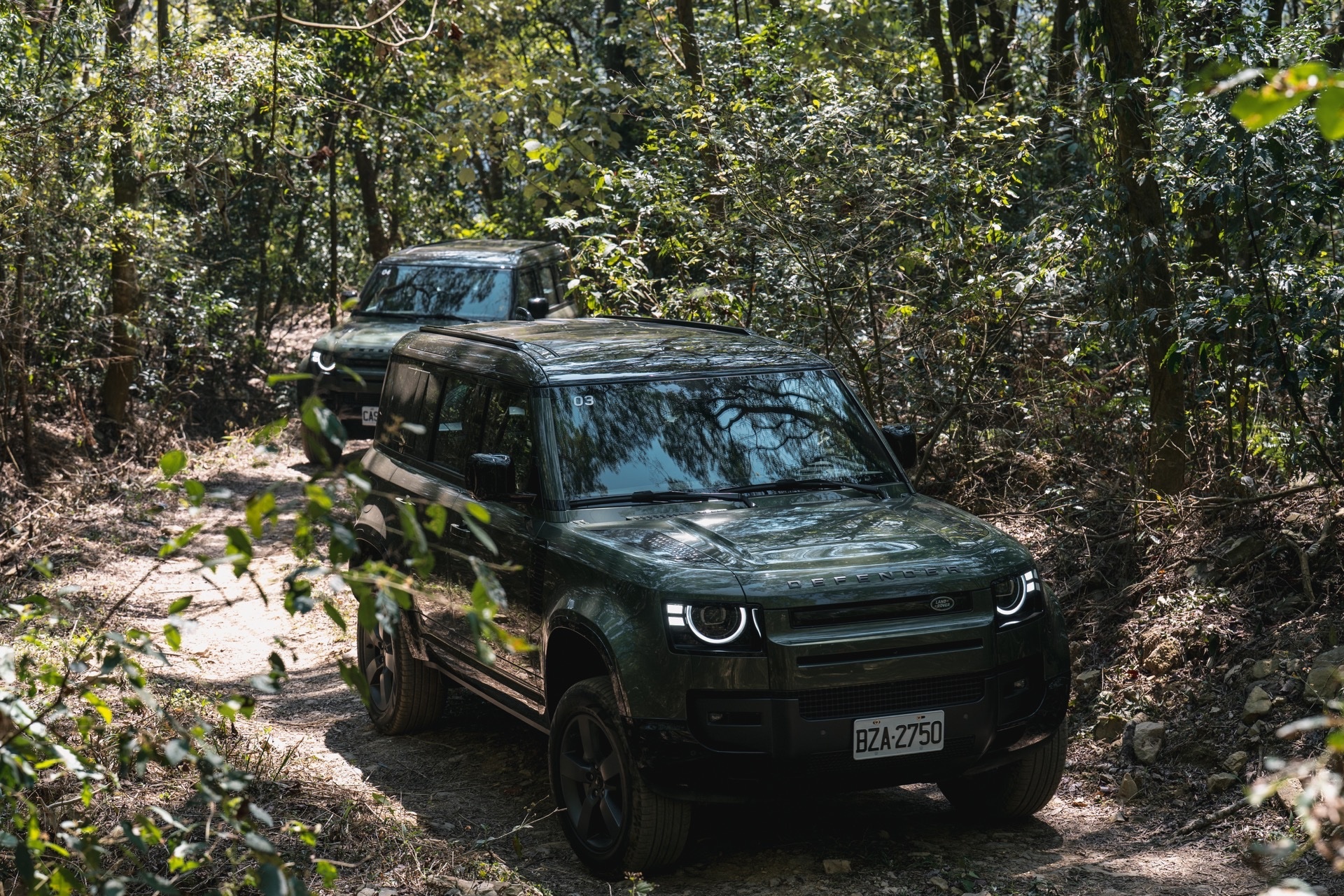
Obviously, being media, we were given a sanitized taste of some of the challenges, with our instructors ensuring we didn’t kill ourselves or the cars. But in reality, the expedition through the less-traversed areas of Taiwan, itself providing a breathtakingly beautiful backdrop to our adventures, provided an excellent opportunity to test the Defender to its limits.
In addition to the Trophy, which itself can be had in a variety of engine variants, we were able to sample both the D250 and D350 models in X-Dynamic HSE spec. These cars use JLR’s oft-employed 48-volt mild-hybrid system in conjunction with the straight-six turbocharged Ingenium engine.
To my delight, most of my time was behind the D350, with its 350 hp and 700 Nm of torque making our performance in challenges (where the car took center stage) effortless. In some ways, some of those trials felt too easy, with the low-down torque and Land Rover’s Terrain Response system doing an exceedingly good job of dealing with just about everything. That includes pulling itself out of the boggiest of mud pits to crossing jagged rocks at jaunty angles, with the air suspension soaking up each and every bump. A good job, then, that many of the Defender’s electronic aides, including maps, are turned off for the real competitors.
The real challenges were the more human-based ones. Those that required constant, clear communication with my teammates. One such challenge had us drive our car with a 6-foot pole attached to its rear towing apparatus. Hand in hand with a spotter, we had to navigate the car across a maze, ensuring that the rear-mounted bar didn’t touch a single cone. Other challenges saw us build a log bridge, which had to carry the weight of 2.6 tonnes of Defender to traverse, which felt sketchy at best, but kept us on our toes both mentally and physically.
The Defender Trophy As A Whole
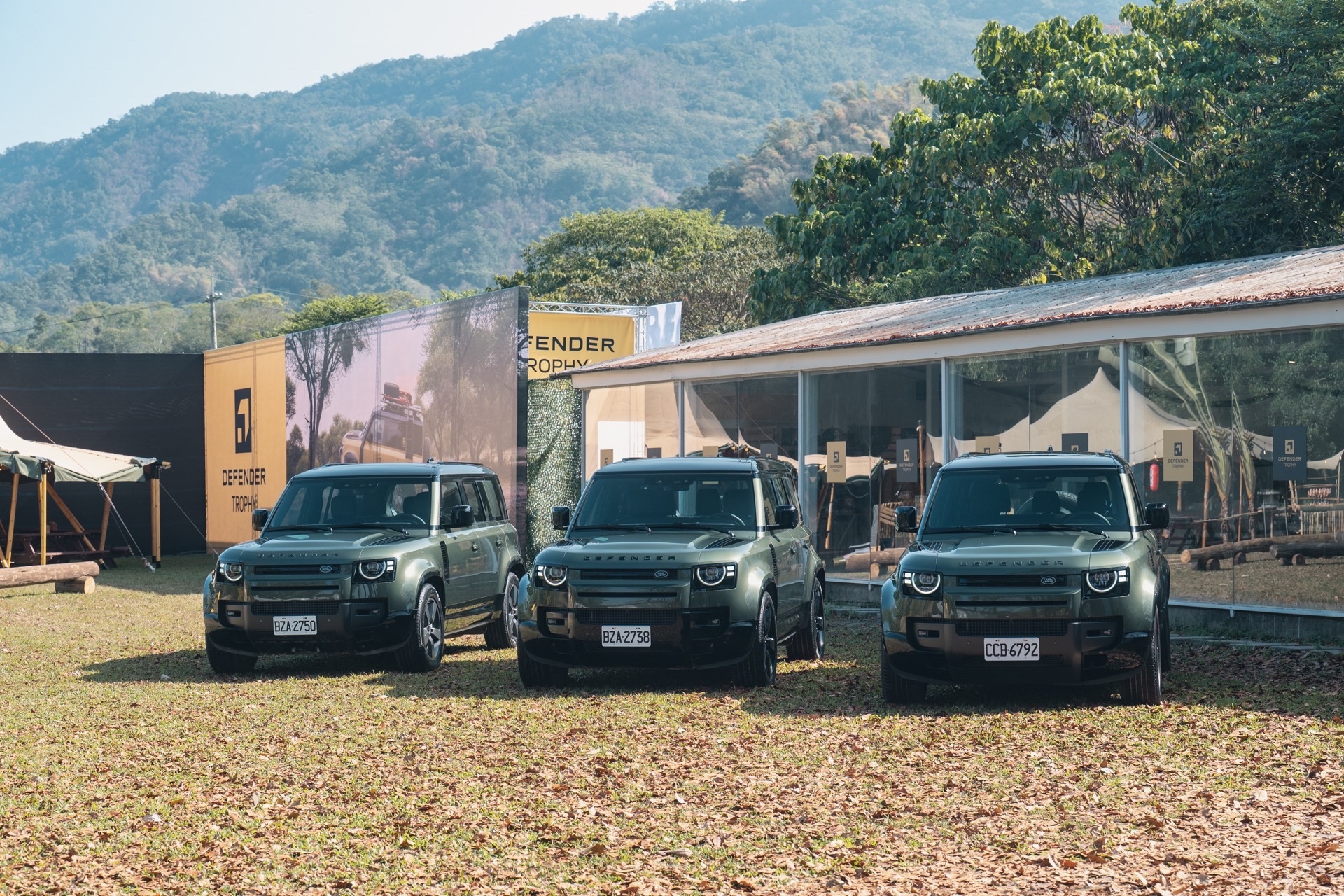
Realistically, was our experience akin to traversing the jungles of Borneo like the intrepid explorers in the 90s? Maybe not. But the reborn Defender Trophy perhaps offers a more realistic, relatable way to see how this reborn car can be used out in the wild.
The Defender Trophy Competition’s Final event is set to be held in South Africa later in the year, with national and regional qualifiers determining who gets to experience the final test of man and machine. But here’s the thing. Despite that whole “win on Sunday, sell on Monday” philosophy definitely being a part of Defender’s strategy with their Dakar entry, their commitment to the Defender Trophy is decidedly more niche.
It’s not a spectator-pulling, headline-dominating multi-class series. Yes, the Defender Trophy is its own branding tool. But, it’s beyond a cookie-cutter single-make series. Its focus is on building its own class of competitors who aren’t pitched as superstars but are adventurers in their own right. As cynical as I want to be, it’s the kind of activation I wish more car brands would do, playing into the out-of-the-box thinking that JLR has become known for. Does it make the product any better or worse? Probably not. Does it enable the Defender legacy to continue to take shape? Absolutely.
The Auto World


Comments
Post a Comment