Over 20% Of San Diego Roads Could Get Lower Speed Limits Overnight
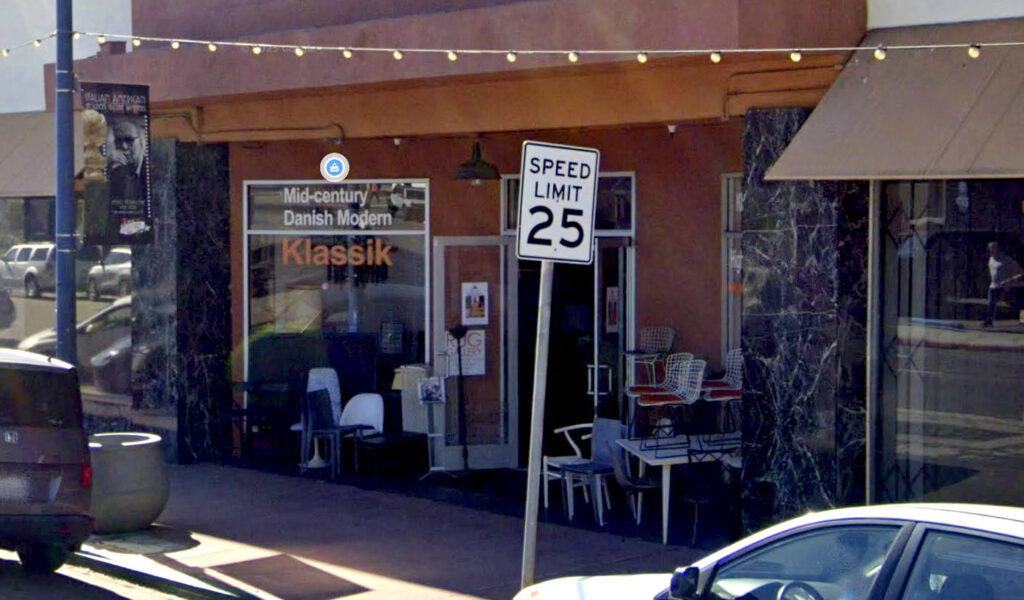
- San Diego may lower limits on 679 miles of city streets.
- Plan uses new California laws to expand local control.
- Infrastructure changes are referenced but not detailed.
Roads can be dangerous, and that danger often comes from multi-ton vehicles traveling at speed. In an effort to improve safety, San Diego is preparing to lower speed limits on over 20 percent of its roads. That will affect roughly 679 miles (about 1,100 km) across the city, and the only thing changing is the number on the sign.
On Thursday, a City Council committee moved forward with the Comprehensive Speed Management Plan, a Vision Zero-aligned effort that leverages new authority granted under California Assembly Bills 43, 1938, and 382. The full City Council still needs to approve the changes before implementation begins.
More: Speeding Tickets Fell By Half In Massachusetts, Drivers May Not Like Plan B
That said, everything points to the plan moving forward, with $2.4 million reserved for signage changes, according to KPBS. Generally, California has long followed other states in using something called the 85th percentile rule to set speed limits.
The 85th Percentile Rule
In very basic terms, it uses the speed that the middle 85 percent of drivers use to set the limit. Critics, however, believe the formula allows unsafe driving speeds to become the norm.
Should the changes go through, cities could set speed limits at 15 mph on two-lane streets within 500 feet of schools and 25 mph on streets within 500-1,000 feet. Safety corridors could see limits drop by 5 mph. Business activity districts could fall to 25 or 20 mph depending on their location. Importantly, there’s nothing in the plan to change driver speed outside of slapping a new number on the signs.
Can Signs Alone Slow Drivers?
The plan repeatedly acknowledges that roadway design plays a role in driver speed, but never addresses how the city or state might use tax dollars to affect speed via infrastructure changes.
Transportation research consistently shows that street geometry, lane width, curb extensions, traffic calming, and roundabouts often have a stronger and more lasting impact on driver speed than signage alone. Without physical changes, it’s unlikely that speed will fall without additional police enforcement.
“Clearly, there is much more that has to be done,” Councilmember Stephen Whitburn said. “And as we heard today in the presentation and many of those speaking, vehicles traveling at unsafe speeds are a big part of the problem.”
At this stage, these changes are still in the planning process. The city council must vote to enact them, and even then, there will have to be engineering and field verification before signs go up.
Lead image Google Maps
The Auto World


Comments
Post a Comment