New Mazda MX-5 NE Is Not Going Electric, But It’s Not Staying Pure Either
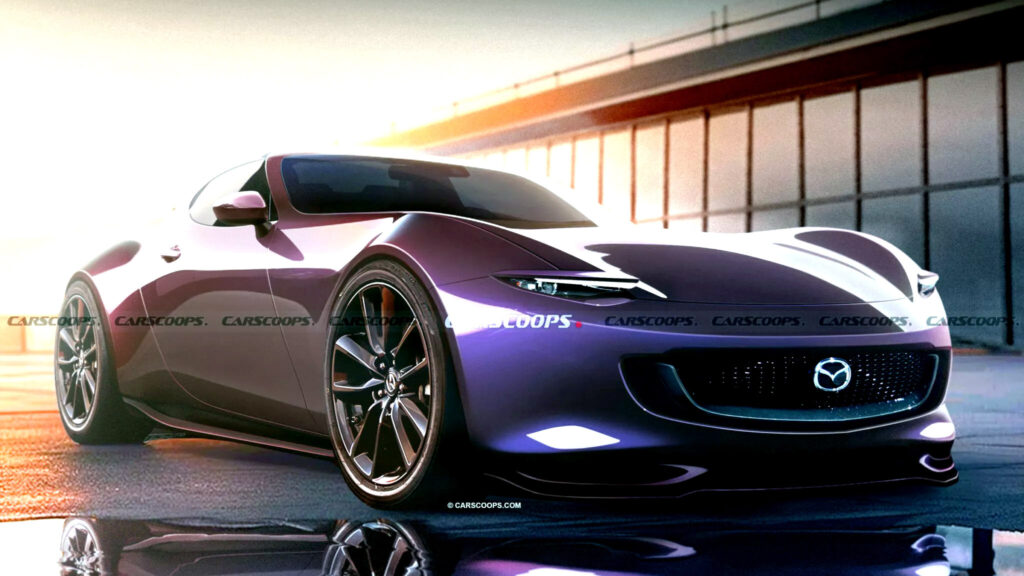
- The next MX-5 will use some level of electrification.
- Synthetic fuels could help retain the combustion engine.
- Mazda aims to keep the current MX-5 ND on sale longer.
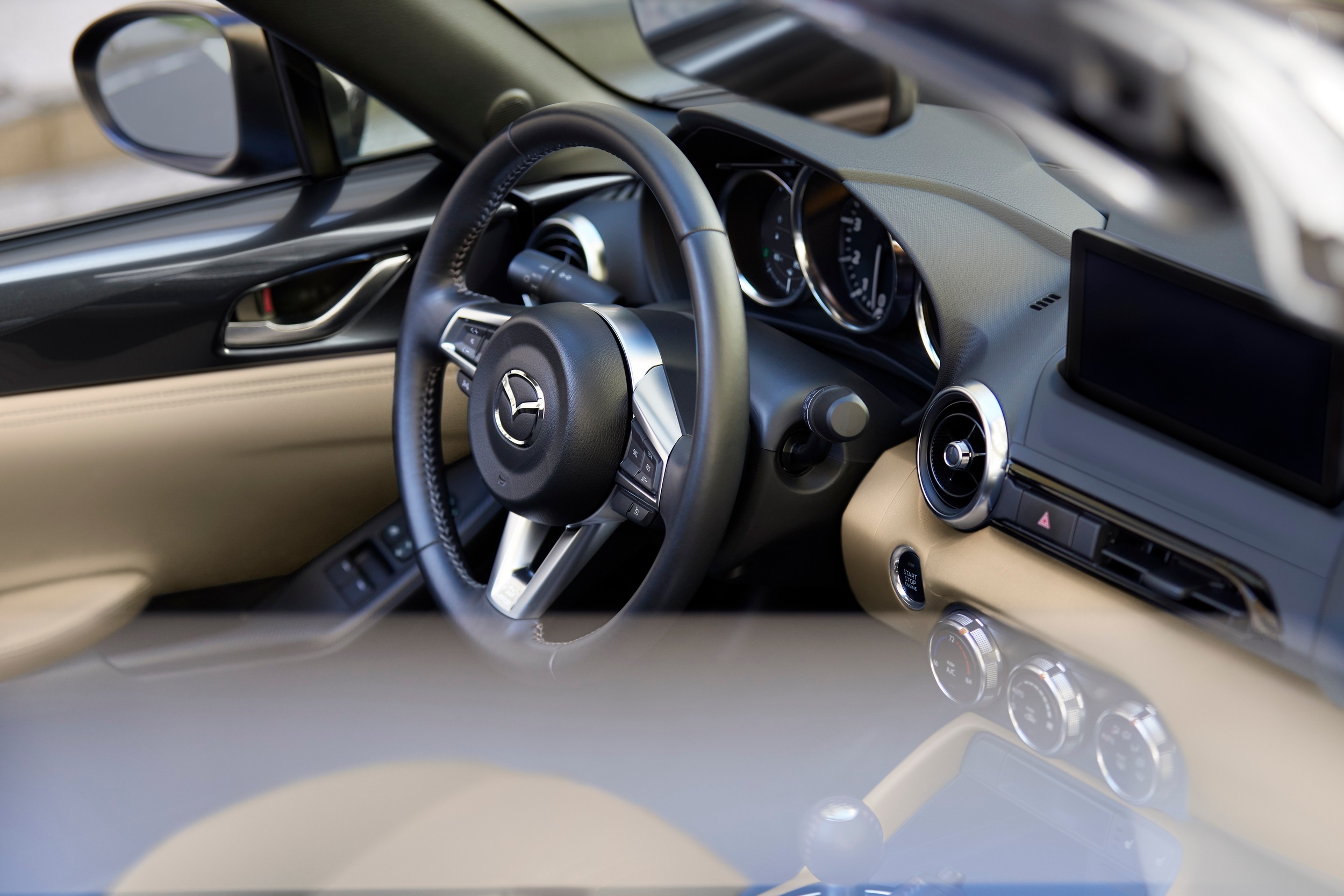
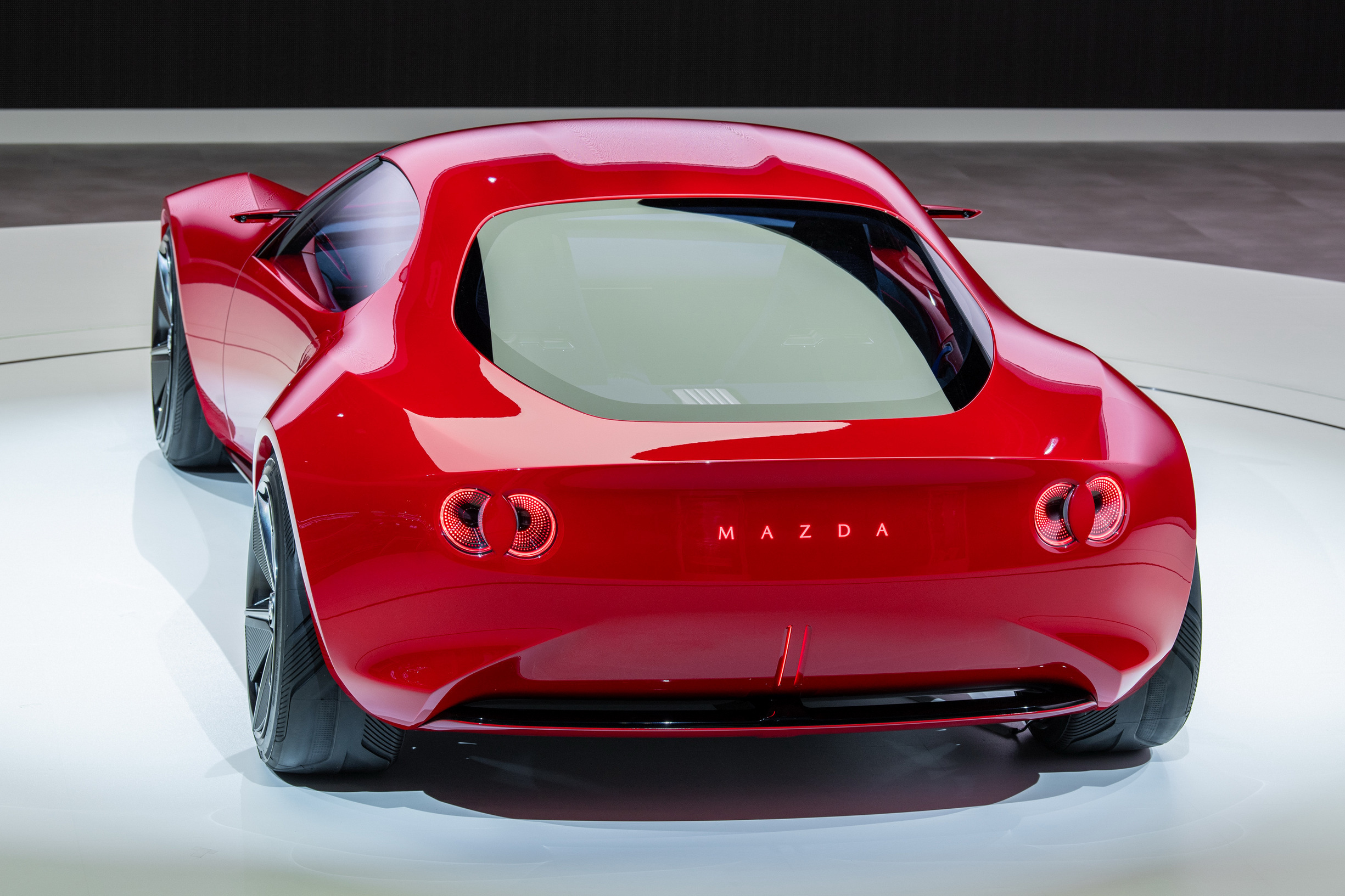
Mazda is not quite ready to unveil the next generation of the MX-5, with the current ND set to stick around toward the end of the decade. Even so, people involved in the development of its successor have begun to share a few revealing insights. Crucially, they confirmed that an NE prototype already exists, even if the final recipe remains far from settled.
Our colleagues at Auto Rai sat down with two senior Mazda Europe figures, Design Director Jo Stenuit and Director of Technology Research and Technical Regulation Compliance Christian Schultze.
More: The 2026 Mazda Miata Just Crossed The $30,000 Line
Starting with Stenuit, he made it clear that the MX-5’s core ingredients are not up for debate. Driving fun, light weight, and affordability remain non-negotiable, traits that, as he put it, “depend heavily on the powertrain.”
Electrification Is Coming
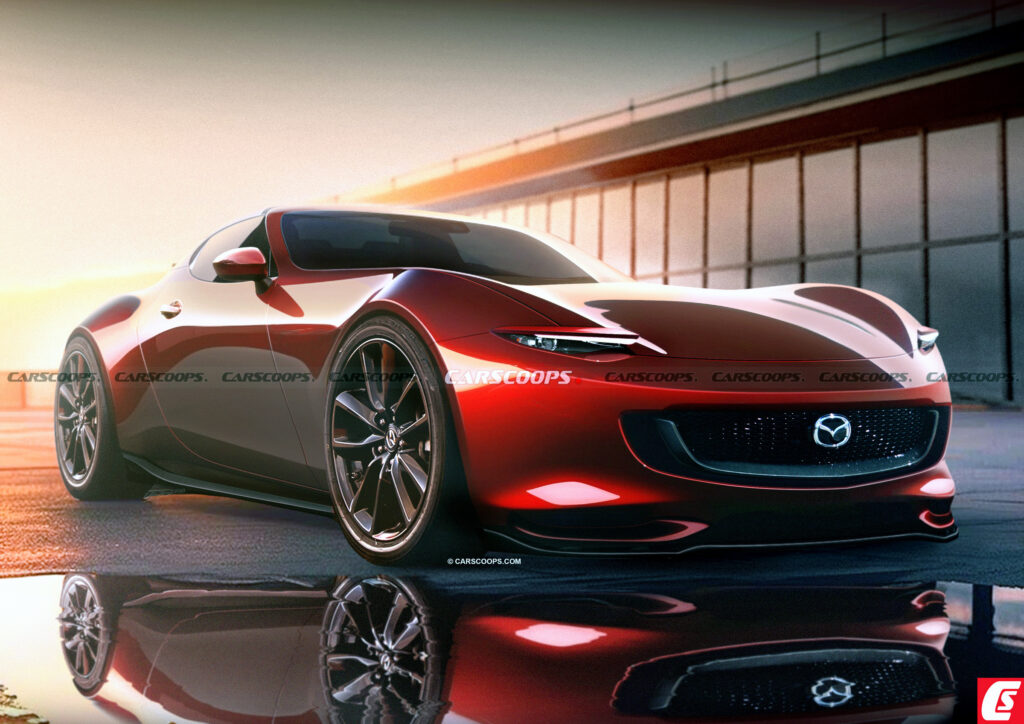
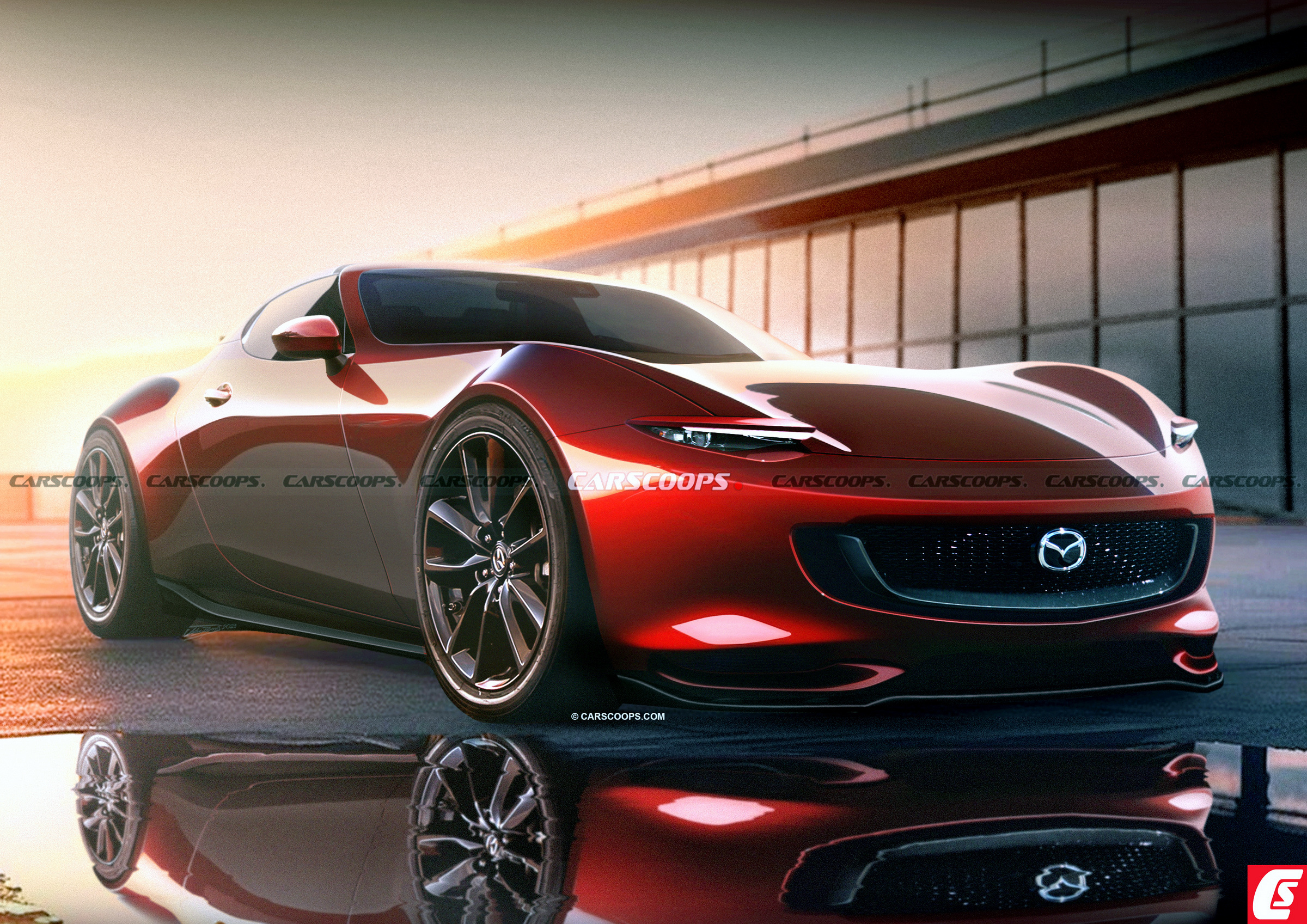
The European design boss made it clear that the final call on what will sit under the hood of the next MX-5 “isn’t set in stone.” Even so, despite openly admitting he is a fan of gasoline engines, he is confident that the next generation of the roadster “will have some form of electric power assistance,” with mild-hybrid described as “the least of the options.” The only real question is how far Mazda is willing to take it.
Stenuit even pictured “driving through the woods with an MX-5 and not having any engine noise when driving with the top down.” That kind of serenity does not come from a traditional four-cylinder hybrid alone. It points to a deeper layer of electrification, perhaps a plug-in hybrid setup or even an EREV range-extender handling duties behind the scenes.
More: Mazda’s Rotary Sports Coupe Plan Faces A Roadblock It Can’t Engineer Around
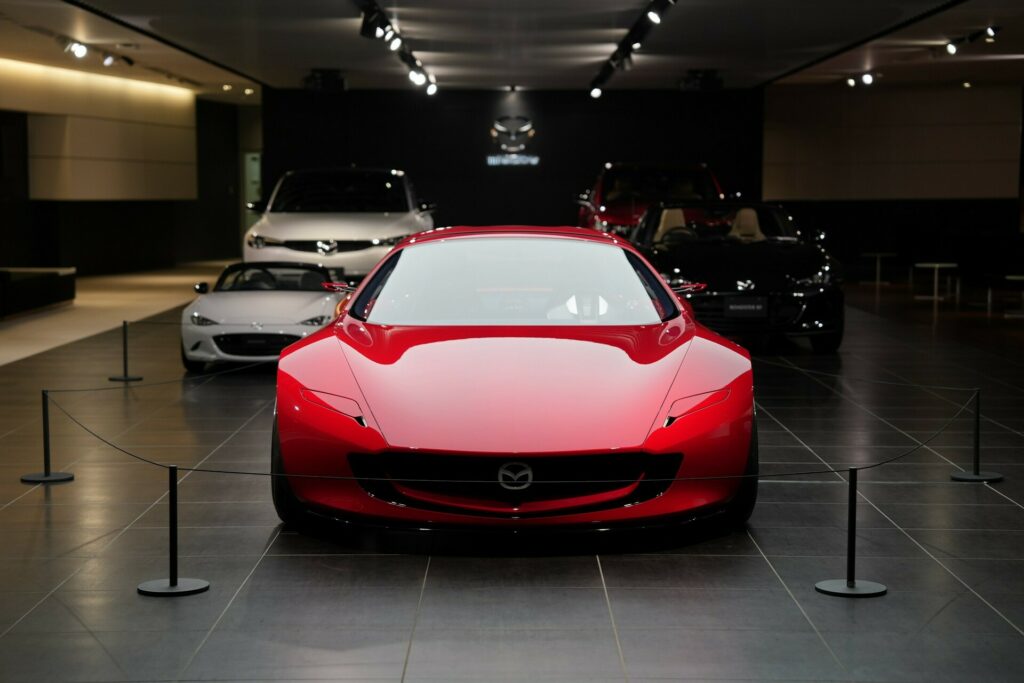
The designer revealed that back in 2024, Mazda “explored the possibilities for the MX-5 NE,” taking on the unenviable task of improving the already well-sorted ND formula. He avoided diving into technical details, but did add: “As you know, they’re a bit crazy in Hiroshima, so something interesting will surely come out of that. But that will take a few more years.”
Synthetic Fuels To Save Combustion
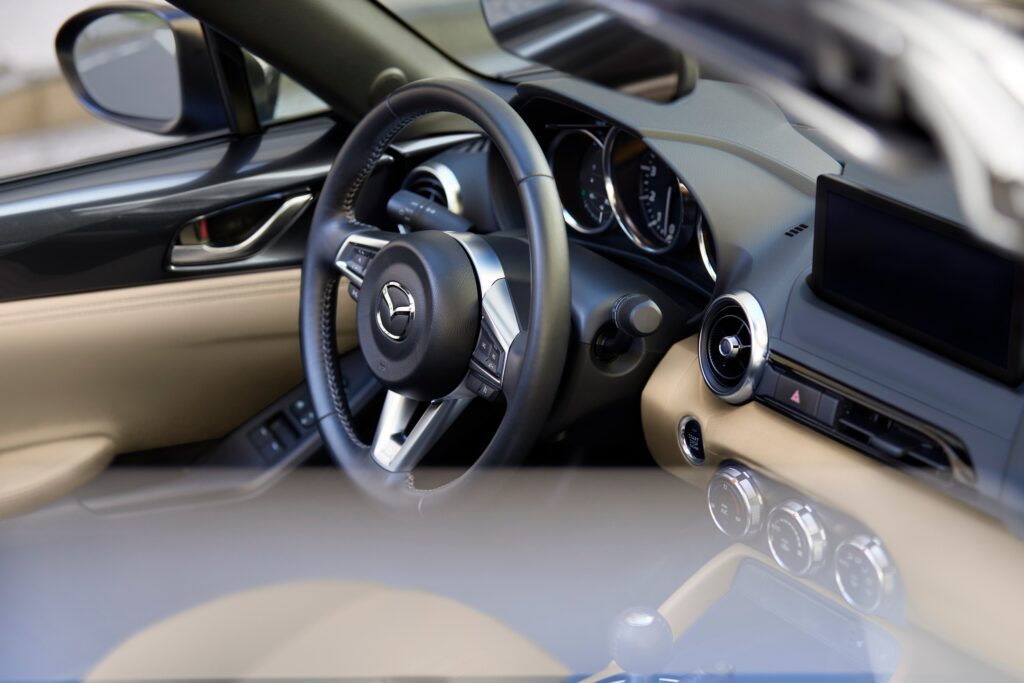
European R&D boss Christian Schultze has also weighed in on the roadster’s future. In his view, the “simplest way to reduce the MX-5’s emissions is to use synthetic fuels.” This would allow Mazda to “continue using the existing combustion engine without having to completely overhaul the car’s concept,” preserving the lightweight, back-to-basics character that defines the MX-5 in the first place.
More: This SUV Just Did Something Only Two Other Mazdas In History Have Ever Done
Schultze described the MX-5 as a car built around “lightweight construction, balance, and mechanical purity.” With that in mind, synthetic fuels strike him as “a very logical route” and “the most obvious solution,” particularly if paired with “a relatively light form of electrification.” In other words, evolve carefully, not radically.
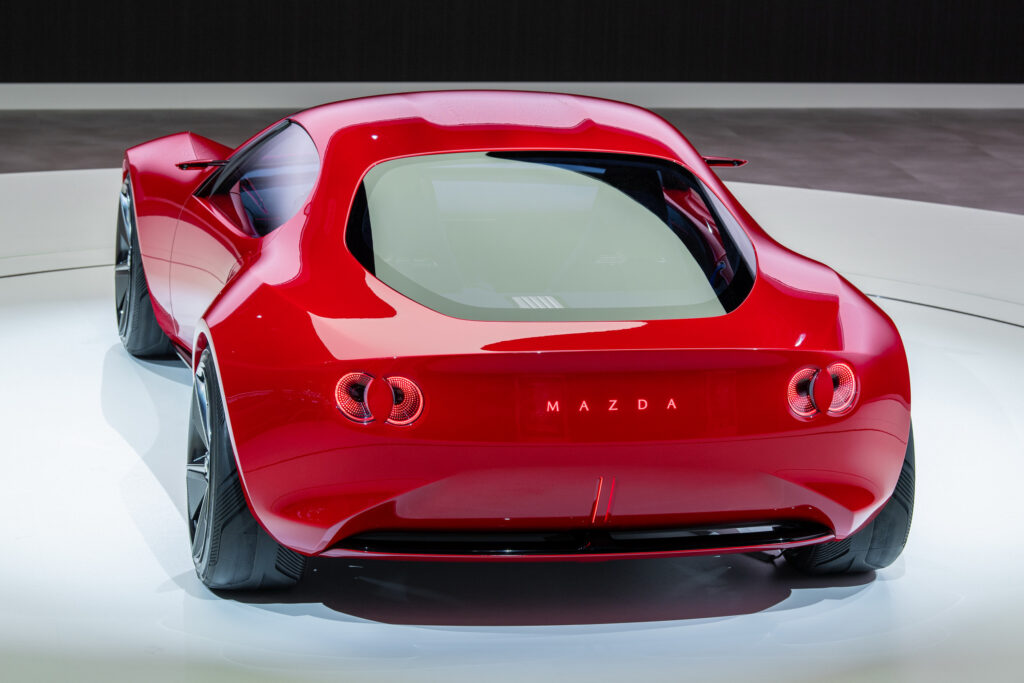
“I honestly hope that in the future we can offer an MX-5 that is electrified, but not fully electric,” he told Auto Rai, making it clear the aim is to cut emissions without dulling the car’s light weight and direct character.
Schultze also pointed out that “there have been sports cars with a range-extender architecture in the past,” a layout that could keep the battery smaller and lighter. As ever, though, the final call will hinge on “legislation and the flexibility that regulations offer us.”
He added that upcoming Euro 7 regulations will play a decisive role in shaping that outcome.
Engineering Limits Of Full Electrification

In any case, Schultze made it clear that a fully electric MX-5 would present a “serious engineering challenge,” which is a polite way of saying it is not exactly front of mind.
Batteries can easily account for “half the vehicle’s weight,” meaning Mazda would have to “fundamentally change the car’s architecture.” That would call for “very clever designs, new materials, and different packaging,” with engineers forced to dig deep into their technical toolbox just to preserve the car’s character.
Another possible path for the MX-5 NE is a larger 2.5-liter four-cylinder gasoline engine based on the SkyActiv Z architecture. It was mentioned last year by CTO Ryuichi Umeshita, but it is hardly a done deal.
Schultze approached the idea with caution. While a bigger engine may sound tempting on paper, he questioned the reasoning behind it: “Is it for the extra torque? Is it for better emissions? Or is it mainly attractive because of the higher number? We want a lightweight engine. A 2.5-liter is by definition heavier than a 1.5- or 2.0-liter. Extra weight up front directly affects balance and steering response. So it’s not an easy choice.”
The ND Is Here To Stay
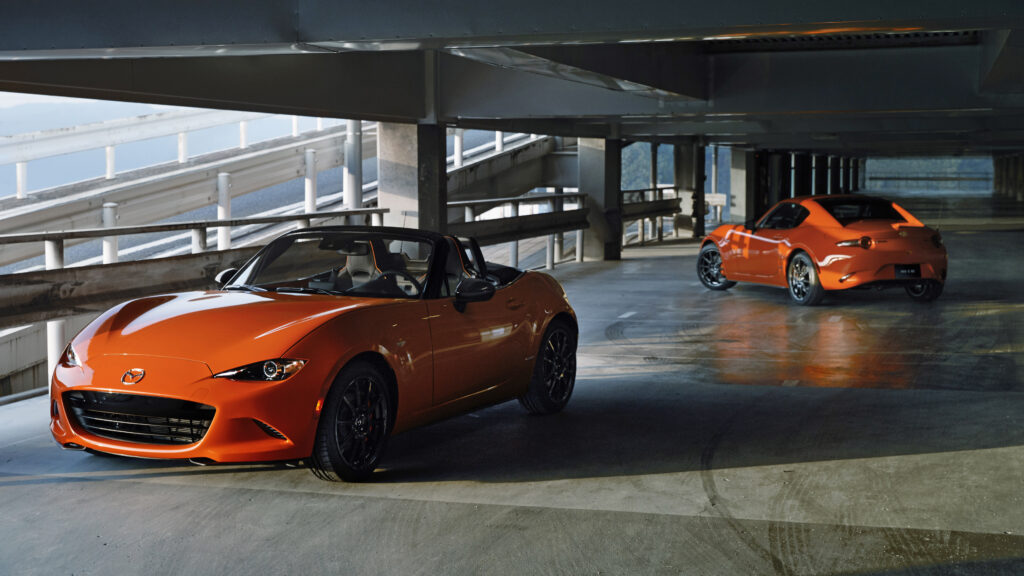
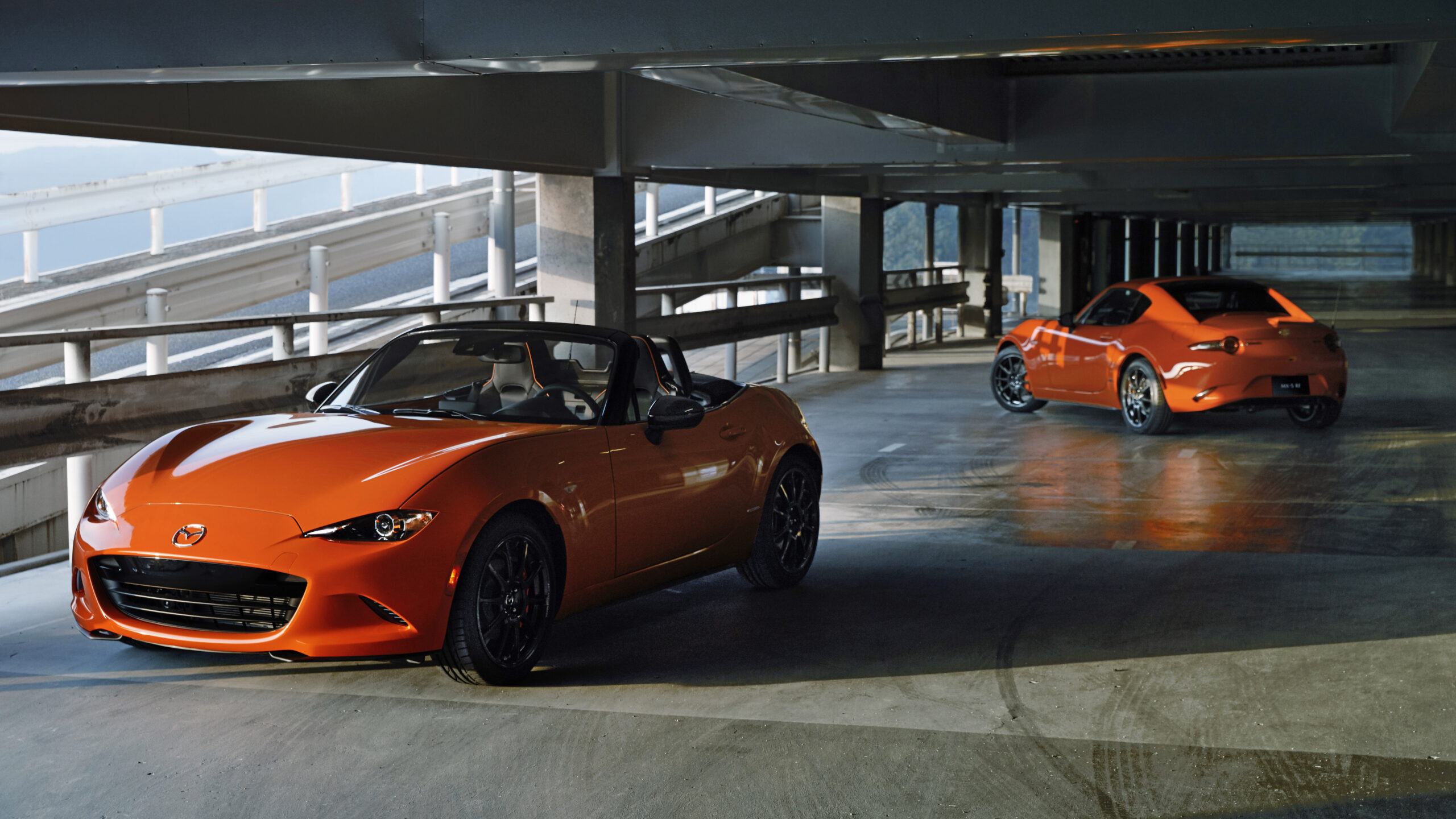
While all the NE speculation is undeniably intriguing, both senior officials were clear on one point. The ND is not going anywhere anytime soon, even though it has been with us since 2014.
More: Mazda’s Scrum Knows Just How You Like It – Slow, Boxy, And Manual
Schultze put it plainly: “Right now, we’re mainly focused on the current MX-5 and how we can best preserve and further develop it. Development of a new generation isn’t finished yet, but it doesn’t need to be. There’s no need to be completely ready at this point. What’s important is that we’re prepared when regulations or market conditions require it. So, we’re working ahead, but without making hasty decisions.”
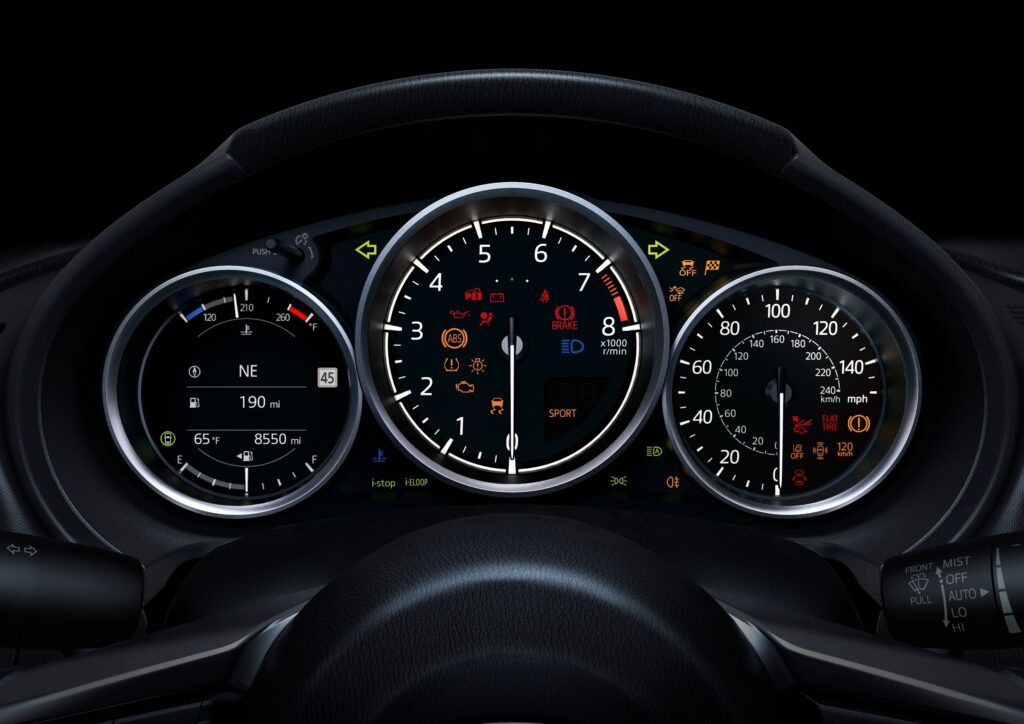
According to the engineer, Mazda is searching for a “technically sound solution with the right performance, the right weight, and full regulatory compliance.” That is a tall order, but if they get it right, it should allow “the current engines running for as long as possible,” even as emissions rules tighten around them.
As Schultze has said before, the MX-5 has always been about the art of slow driving. It is about balance, feedback, and enjoying the road without chasing headline speeds. Whatever eventually powers the next chapter, protecting that character remains the priority.
Mazda
The Auto World




Comments
Post a Comment