How Las Vegas Installed A Massive Flock Camera Network Without Asking You
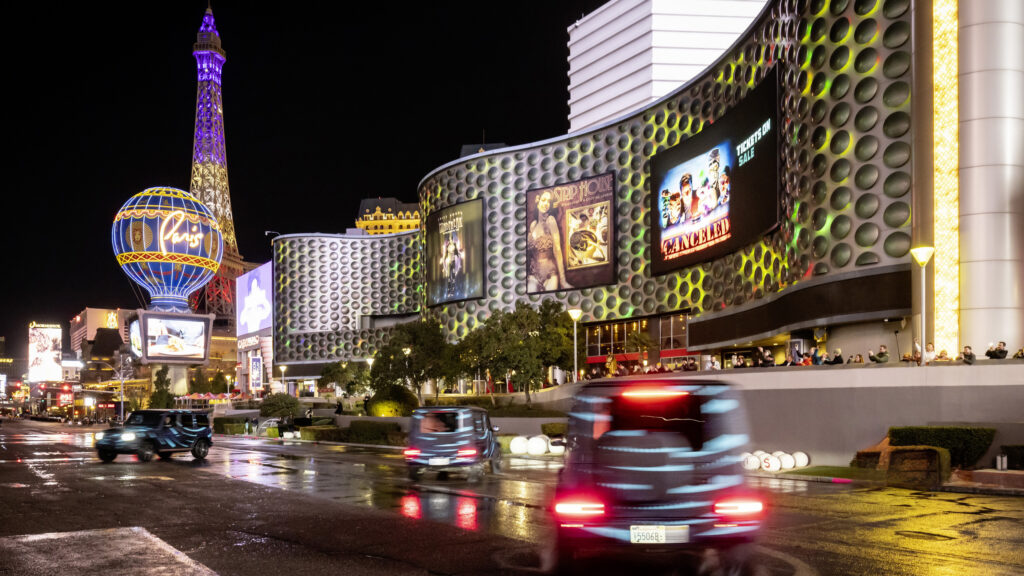
- LV police run about 200 Flock cameras backed by private funds.
- Metro logged more than 23,000 vehicle searches since 2023.
- Critics say donor funding sidestepped public debate.
Flock Safety draws plenty of criticism for how it conducts business, yet city leaders are not always above scrutiny either. Public safety contracts often test the limits of transparency and oversight. Denver’s mayor recently faced backlash after approving a contract with the company valued just under the threshold that would have required city council approval.
Now, Las Vegas is in the crosshairs because its police force is using around 200 Flock cameras that the public never had a say in. That’s because they’re almost all supported through private donations.
Private Funding Sidesteps Public Review
In most cases, cities end up paying for Flock Safety or other companies’ automatic license plate reader systems. To that end, the public often has a chance to speak up about whether or not they support such contracts. Sites like ALRP.Watch allow citizens to track such meetings, but if you go there, you’ll note that there are none in or around Las Vegas.
More: Why More Cities Are Suddenly Pulling The Plug On Flock Safety Cameras
That’s because private donors like the Horowitz Foundation supplied the Las Vegas Metro Police Department with cash for the system. That money went to a non-profit arm of the LVMPD called Friends of Metro, according to The Nevada Independent. The arrangement, critics argue, effectively bypasses the kind of public debate typically seen when surveillance systems are rolled out with taxpayer money.
How Extensive Is The System?
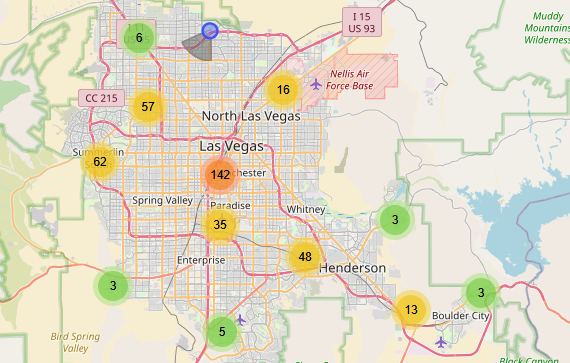
According to Metro, the department operates roughly 200 Flock cameras mounted on city or county infrastructure and shares data with hundreds of state and local agencies across the country. Public audit logs compiled by Have I Been Flocked show Las Vegas police have conducted more than 23,000 vehicle searches since late 2023.
“It’s a short circuit of the democratic process,” said Jay Stanley of the American Civil Liberties Union in comments to local media. “Does the community want this technology imposed on it?” This is far from the first time that ALPR privacy concerns have popped up.
For some residents, that isn’t even the primary concern, either. What happens if and when private funding runs out? Perhaps citizens will get a chance to vote at that point. For now, it doesn’t seem to matter if Nevadans want the technology or not. The system continues capturing vehicle data from residents and visitors throughout Las Vegas.
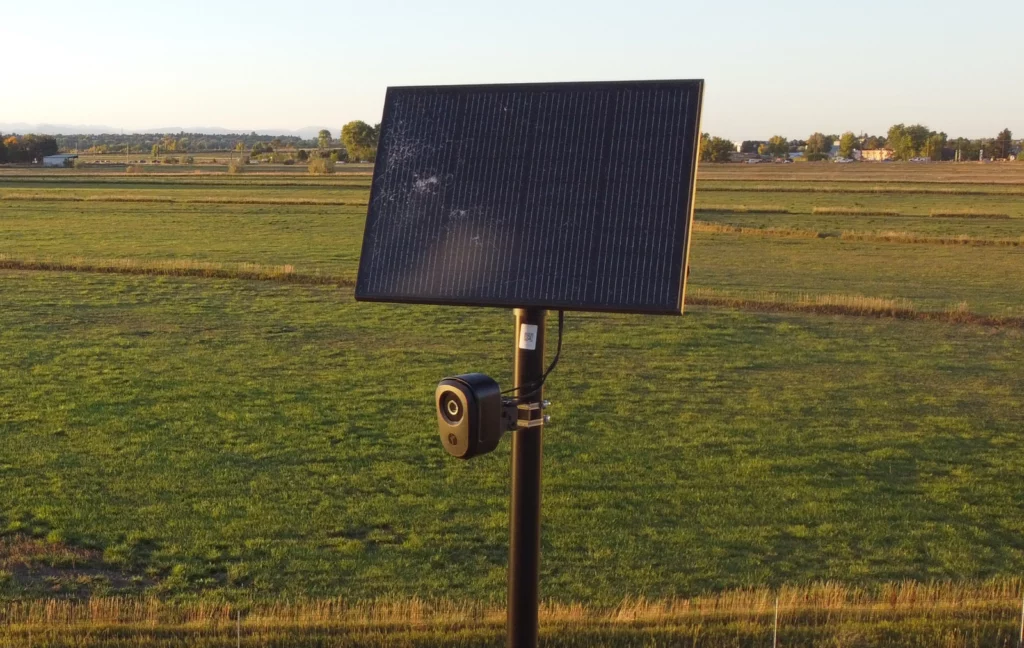
Photos Mercedes-Benz, Deflock.me, Flock Safety
The Auto World


Comments
Post a Comment