Police Seized This E-Bike Over 103 MPH Claim, But Something Doesn’t Add Up
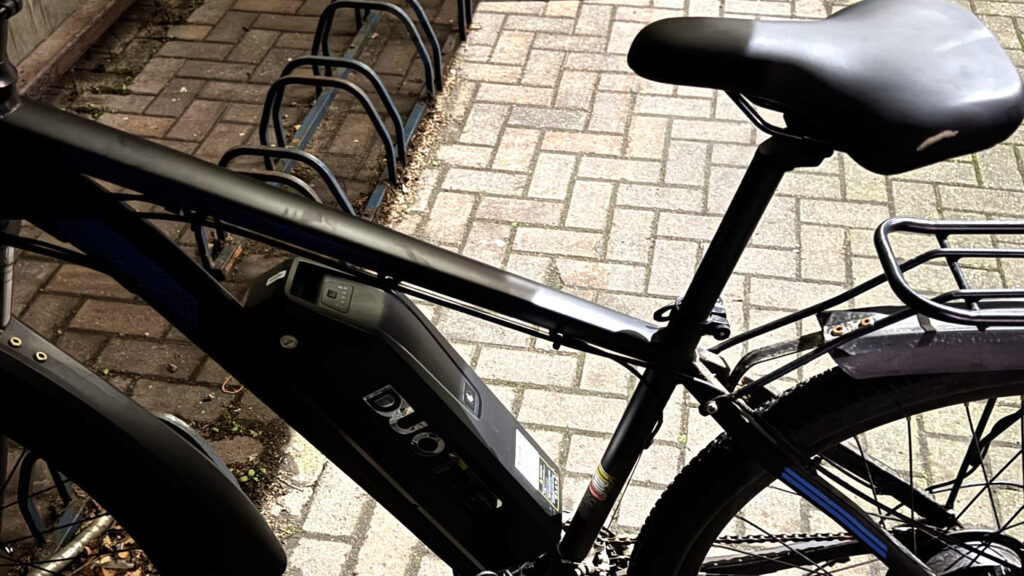
- UK police seized two illegal e-bikes in a recent operation.
- One bike was allegedly capable of reaching 103.8 mph.
- Officials did not explain how the top speed was determined.
E-bikes are creating problems across multiple regions, and the consequences are starting to pop up in increasingly dramatic ways. In America, they’re often blamed for skirting traffic laws. In the UK, at least one is now under scrutiny for allegedly being capable of triple-digit speeds.
While that’s certainly plausible, it’s probably not accurate in this case. Either way, this latest seizure in the UK demonstrates just how potentially dangerous these bikes can be in the wrong hands.
More: New York’s E-bike Chaos Hits A Breaking Point After Fatal Collision
According to a social media post from North Yorkshire’s outer neighborhood policing team, officers stopped an “adapted bike” that was allegedly capable of reaching a top speed of 103.8 mph (167 km/h).
That is a staggering figure for anything resembling a bicycle. For context, the UK legal limit for e-bike assistance is just 15.5 mph (25 km/h), with pedal assist only and a mandatory motor cut-off beyond that speed.
Visual Clues Tell a Different Story
From the photos shared by police, both seized machines appear to be well outside legal limits, with visible aftermarket battery packs and modifications that strongly suggest throttle operation and unrestricted motor assistance. That alone is enough to justify seizure. The questions start with the triple-digit speed claim.
As an avid cyclist, I can say that nothing in the images points to hardware typically associated with extreme performance. The bikes appear to retain standard bicycle frames, wheels, spokes, pedals, and mechanical (not hydraulic) disc brakes.
These are components that are simply not designed, and in most cases, not remotely capable of sustained speeds anywhere near motorway pace.
Hardware That Doesn’t Add Up

There’s also no visible indication of motorcycle-grade tires, reinforced drivetrains, or heavy-duty braking systems that would normally accompany such speed. Even if modified, it would be surprising to see either of these bikes sustain a speed of 40 mph for any amount of time.
Crucially, police haven’t explained how the 103.8 mph figure was determined. There’s no mention of a road test, dynamometer run, controller data, or whether the number represents a theoretical calculation rather than a demonstrated speed. Without that context, it’s difficult to understand what “capable of” actually means in this case.
We’ve reached out to North Yorkshire Police for clarification on how the e-bike’s top speed was assessed and will update this story if more details emerge. That all said, these are exactly the type of bikes that people modify with regularity. Even the most skilled cyclists sometimes lose control and make mistakes.
Commuters with less ability and even more power on tap are clearly more likely to cause crashes and accidents. If that wasn’t enough, these same types of bikes are well known for burning to the ground when their batteries go wrong. At least in this case, nobody was hurt.

The Auto World


Comments
Post a Comment