If You Got A Text About Unpaid Tolls Or Tickets, Read This Before You Click

- Illinois warns about scam texts claiming unpaid tolls or tickets.
- State says it never texts about license or registration issues.
- Drivers are urged not to click links or share any personal info.
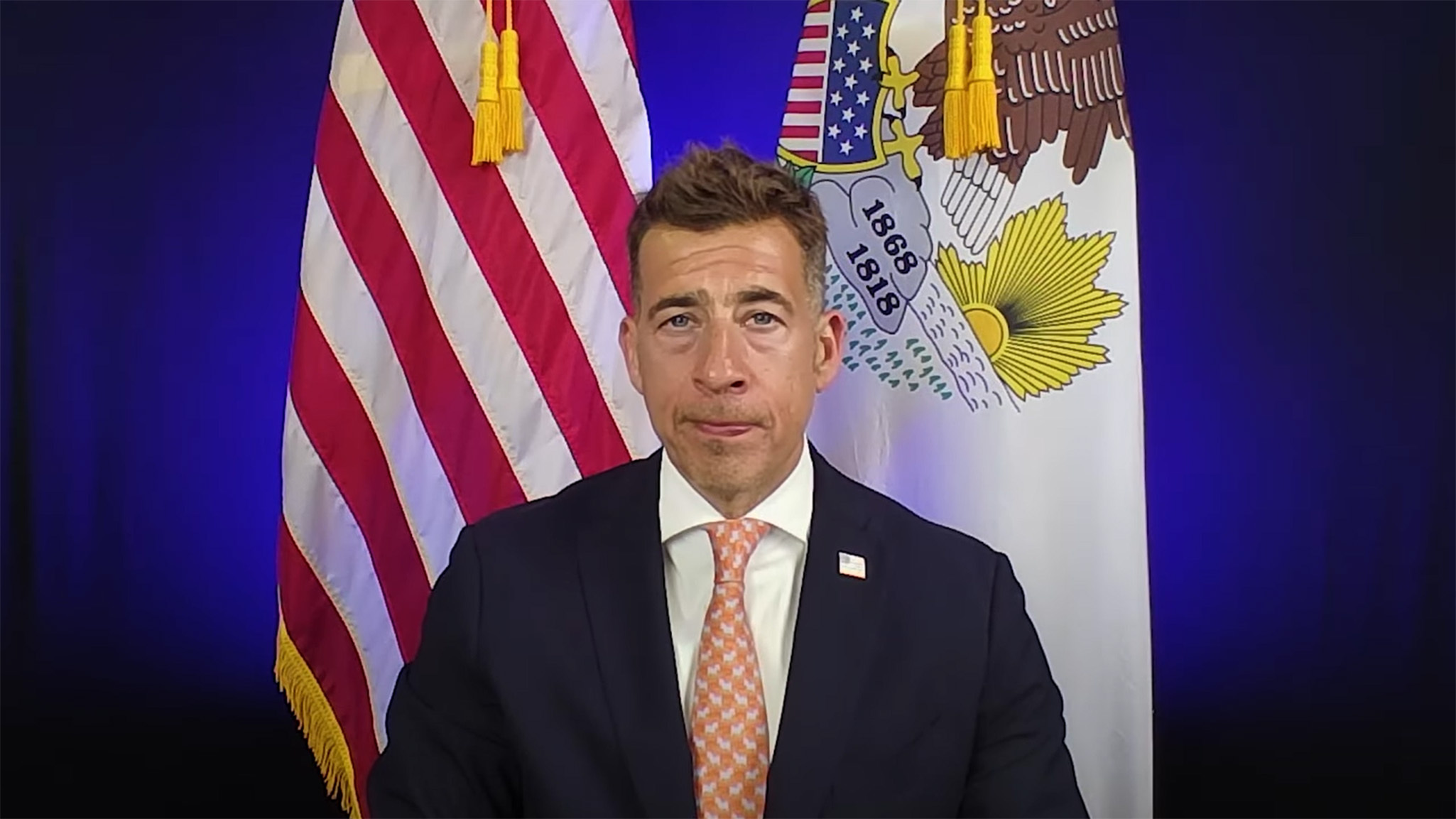
Scammers are constantly on the hunt for new angles, and they rarely take a holiday. Now, one tactic has grown so aggressive that Illinois Secretary of State Alexi Giannoulias is calling it out publicly, issuing a warning that extends far beyond his state lines.
Every day, citizens are getting texts about traffic violations and unpaid tolls. According to Giannoulias, those texts are almost certainly phishing attempts designed to get good citizens to fork over cash to bad guys.
More: Car Flipping Scam Promised Riches Then Left A $57M Disaster Behind
The fraudulent texts in question typically warn drivers that their vehicle registration or driving privileges are at immediate risk of suspension unless payment is made right away. To heighten the pressure, the messages often include official-sounding language and links that appear legitimate but instead lead to scam payment pages or data-harvesting sites.
Seasonal Spike in Text Scams
Giannoulias says these scams tend to spike during the holiday season, when people are distracted, traveling, or managing higher-than-usual expenses.
“Phishing scams continue to be a persistent threat, especially during the holiday season, with criminals repeatedly attempting to steal Illinoisans’ personal information and hard-earned money,” he said in a statement.

The official then went on to explain that his office never sends texts related to driver’s license status, vehicle registration problems, toll violations, fines, or enforcement actions. The only texts sent by the office are simple reminders for scheduled DMV appointments.
In other words (and this goes for pretty much any state), any message claiming to be from the state about unpaid tickets, tolls, or license suspensions, especially those demanding immediate payment, should be treated as suspicious.
What to Do if You Receive One
Residents are urged not to click on links, respond to the messages, or provide any personal information. Instead, those who get a message like this should do at least one of a few things. First, report it to the Federal Trade Commission at reportfraud.ftc.gov.
It might seem like a small thing but it helps authorities track patterns and potential shut down scammers at the root. Second, if there’s any question about legitimacy regarding a text, call the government office associated with the text but do so with the contact info found on their official website, not one listed in the text itself.
The Auto World


Comments
Post a Comment